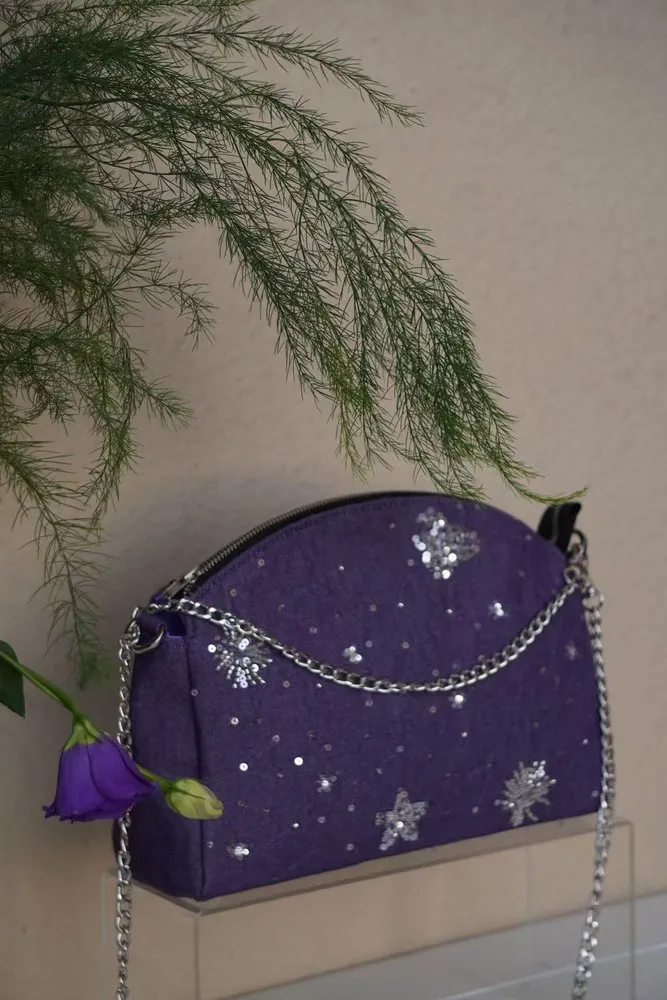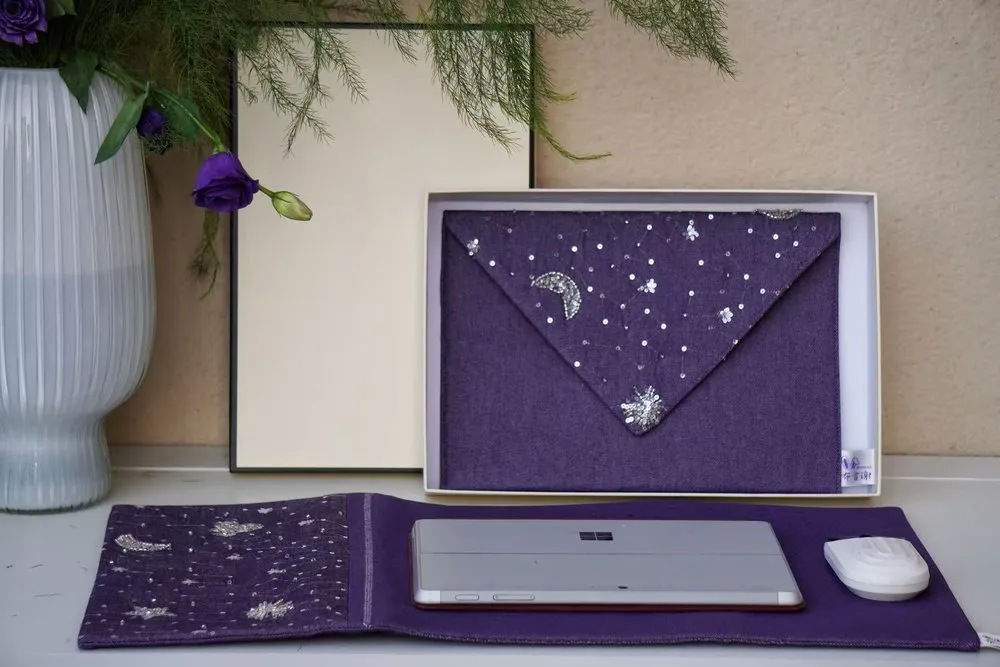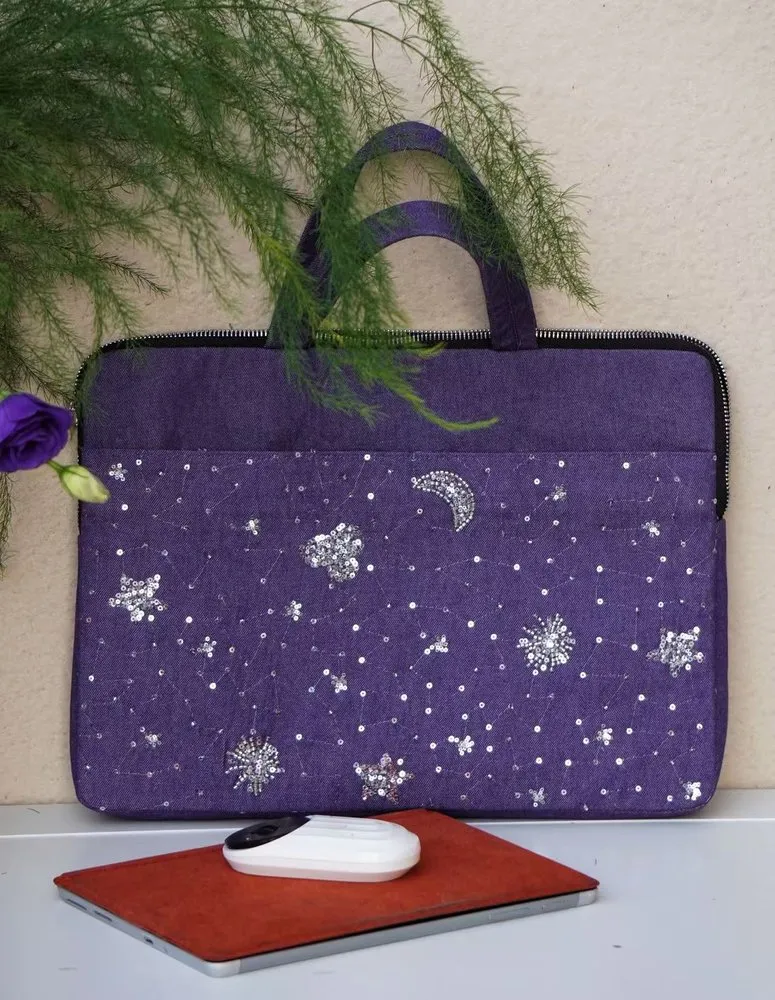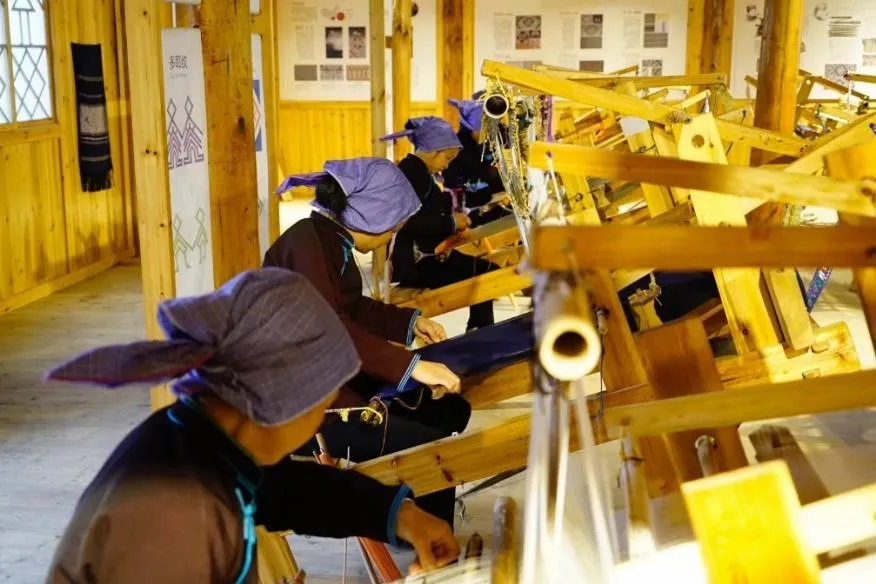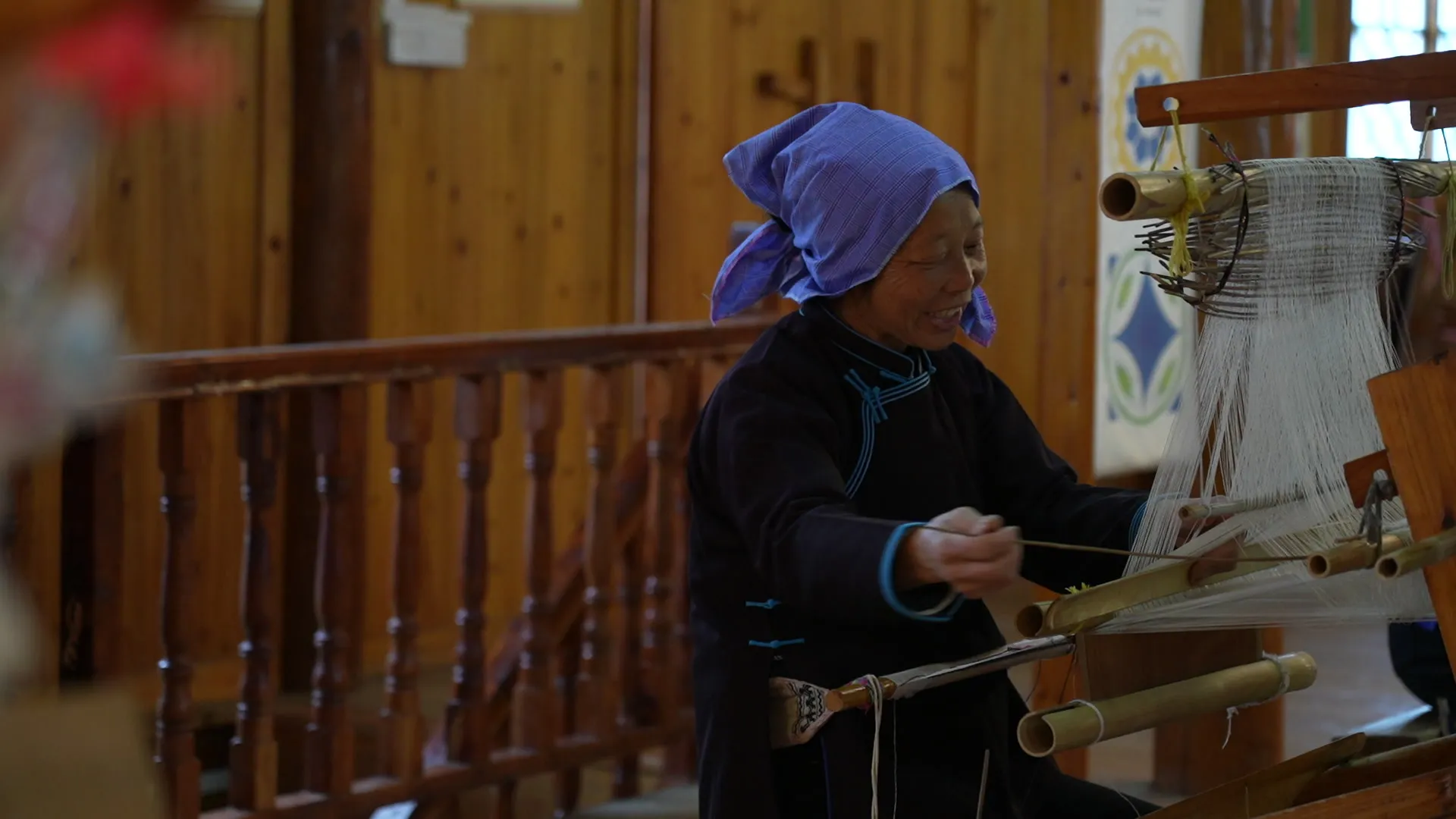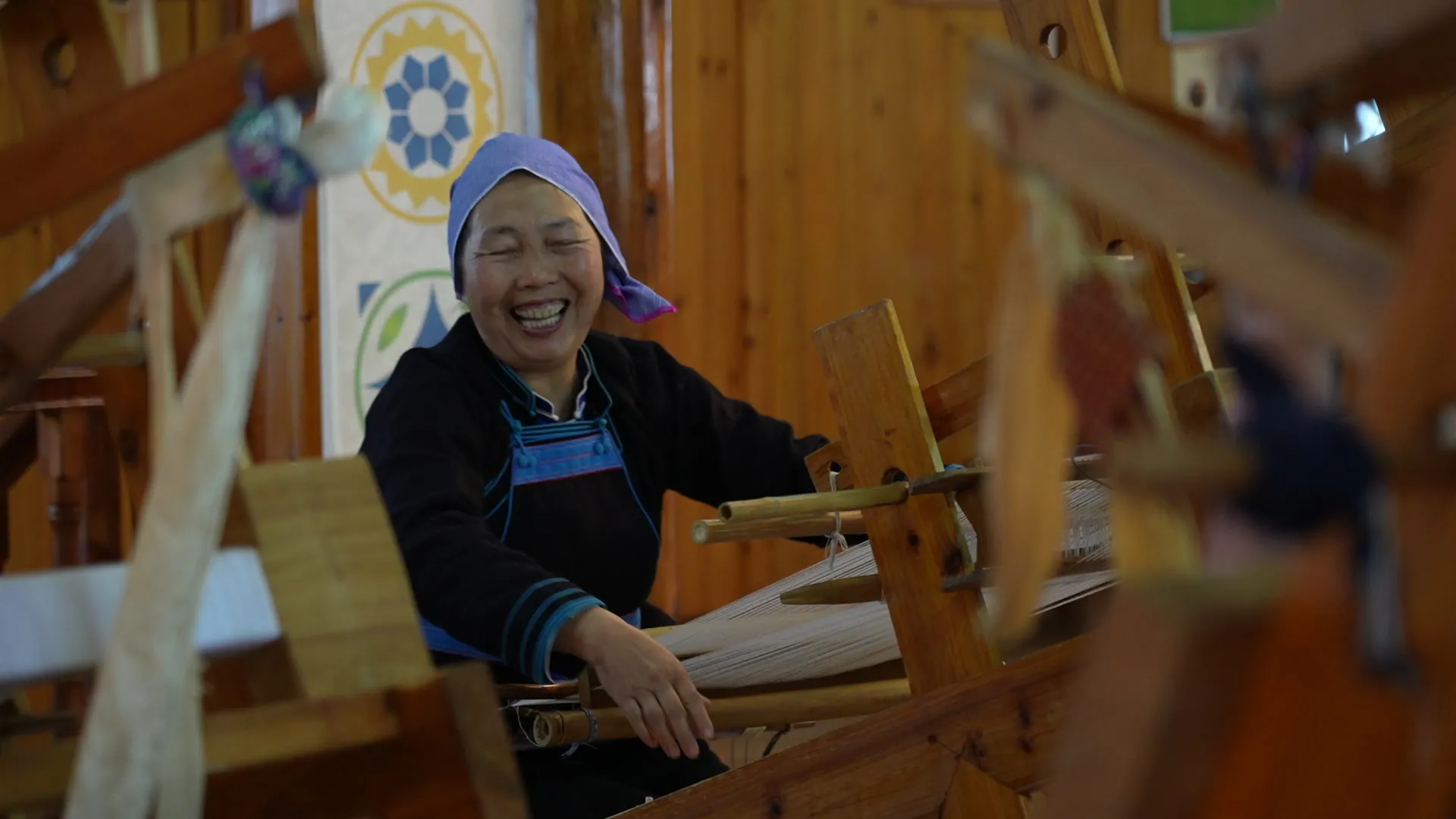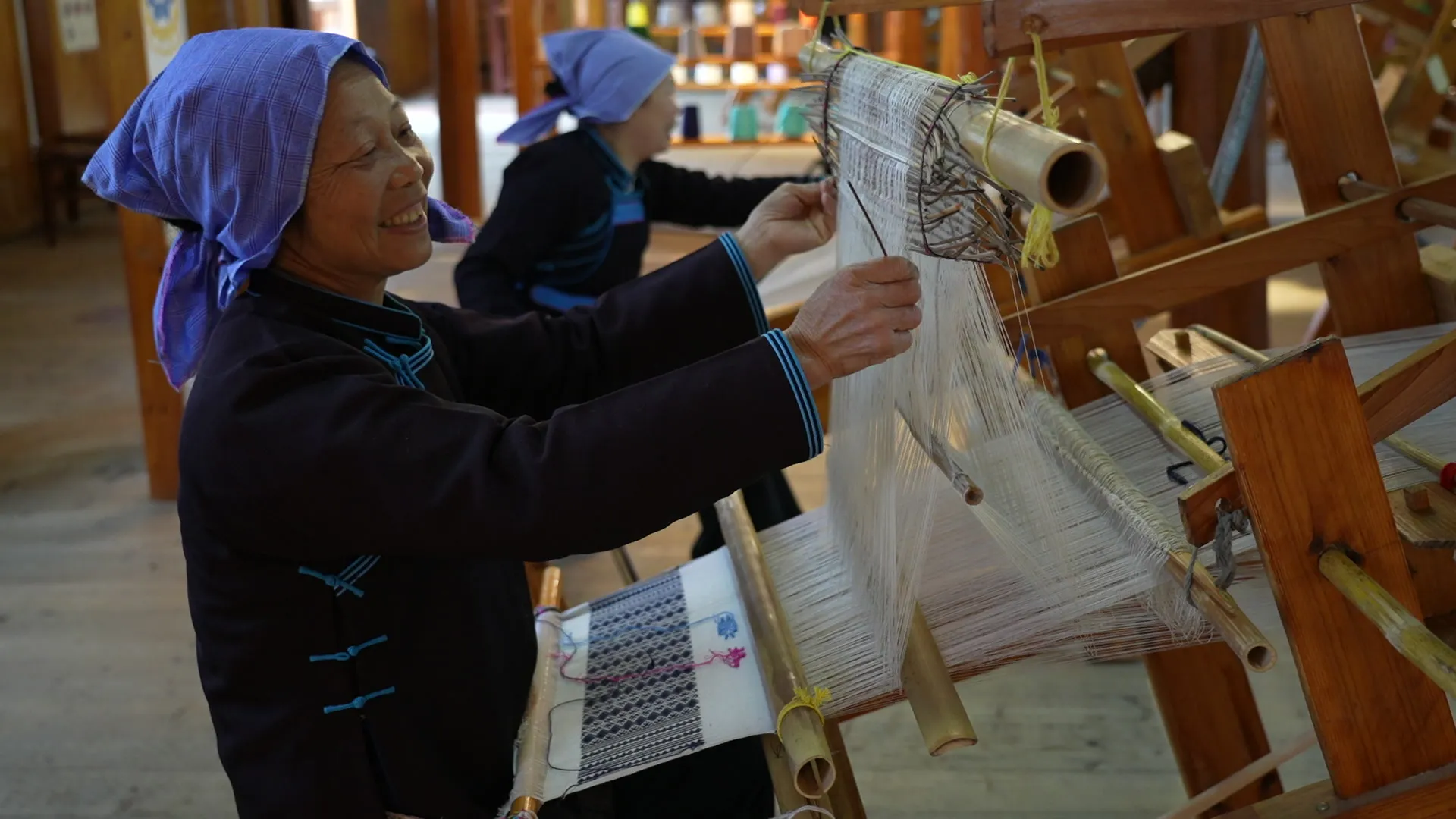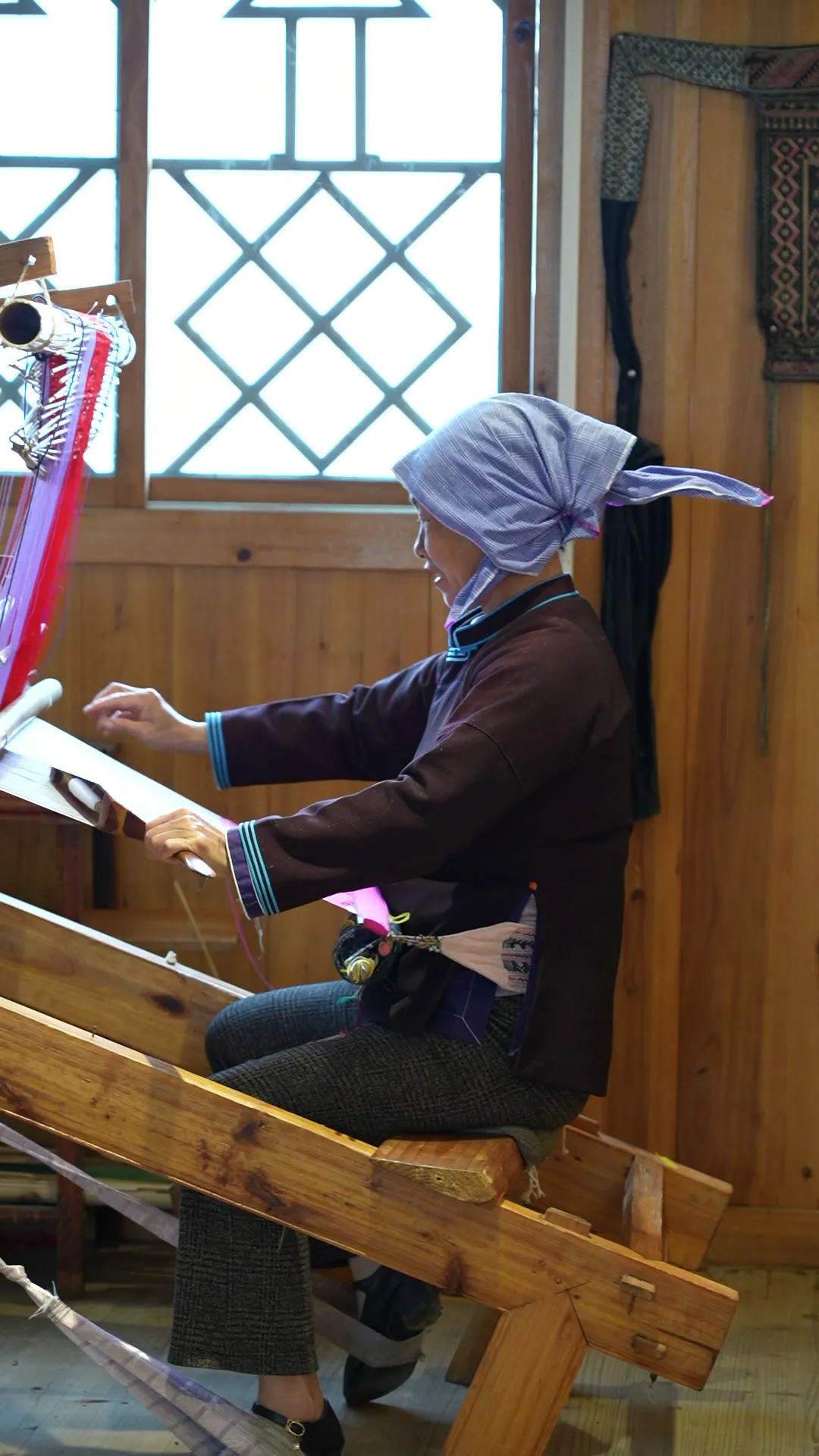
织 · Weaving
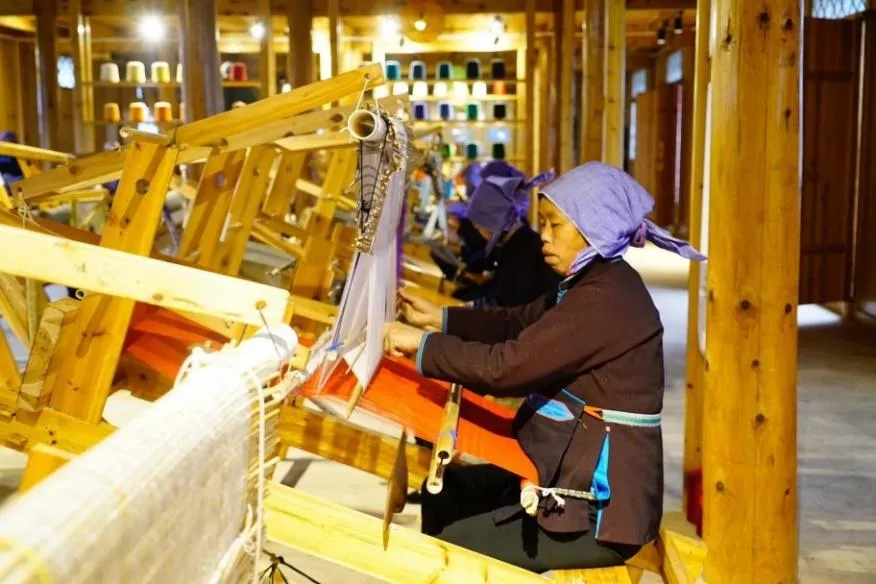
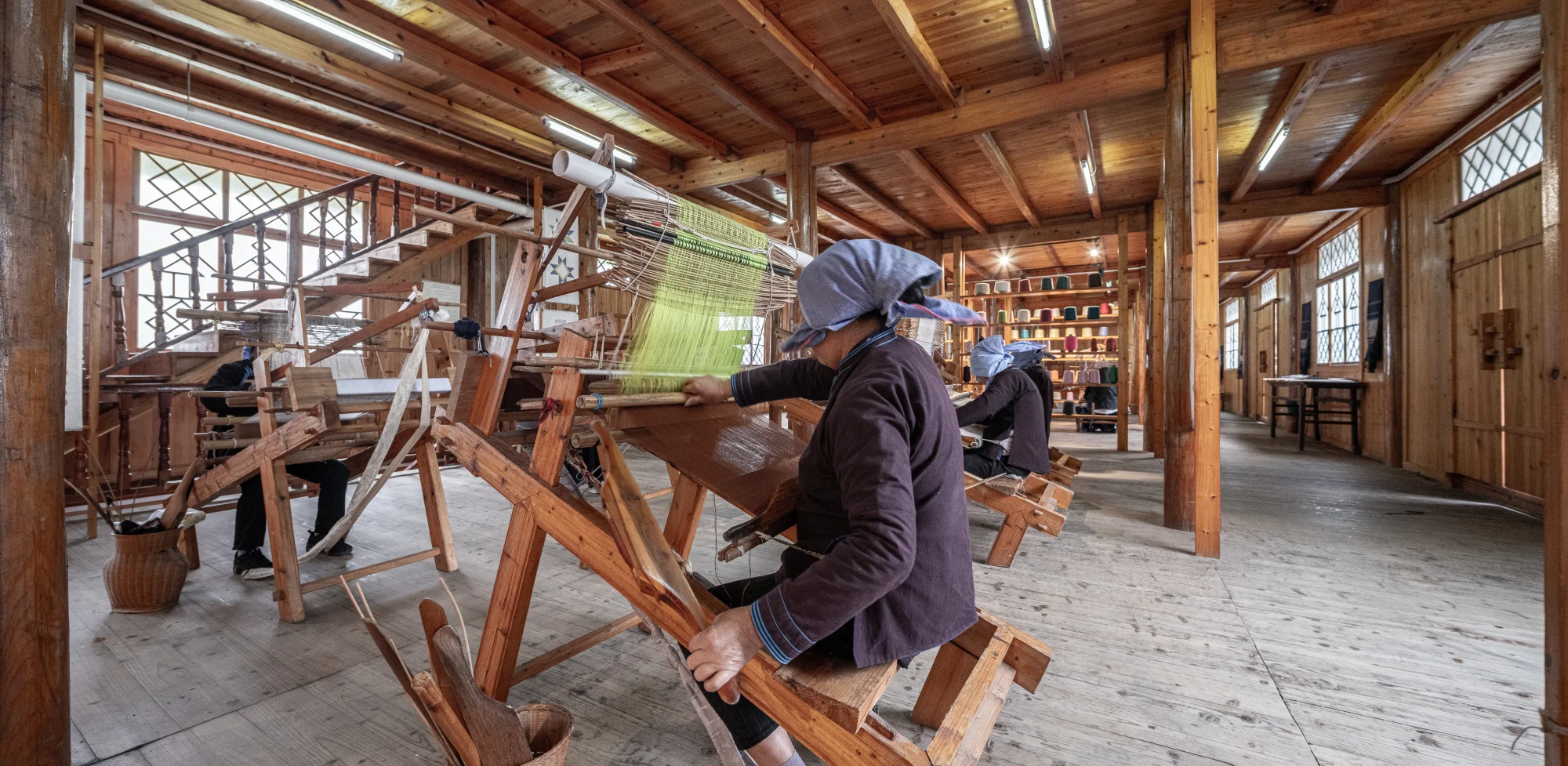
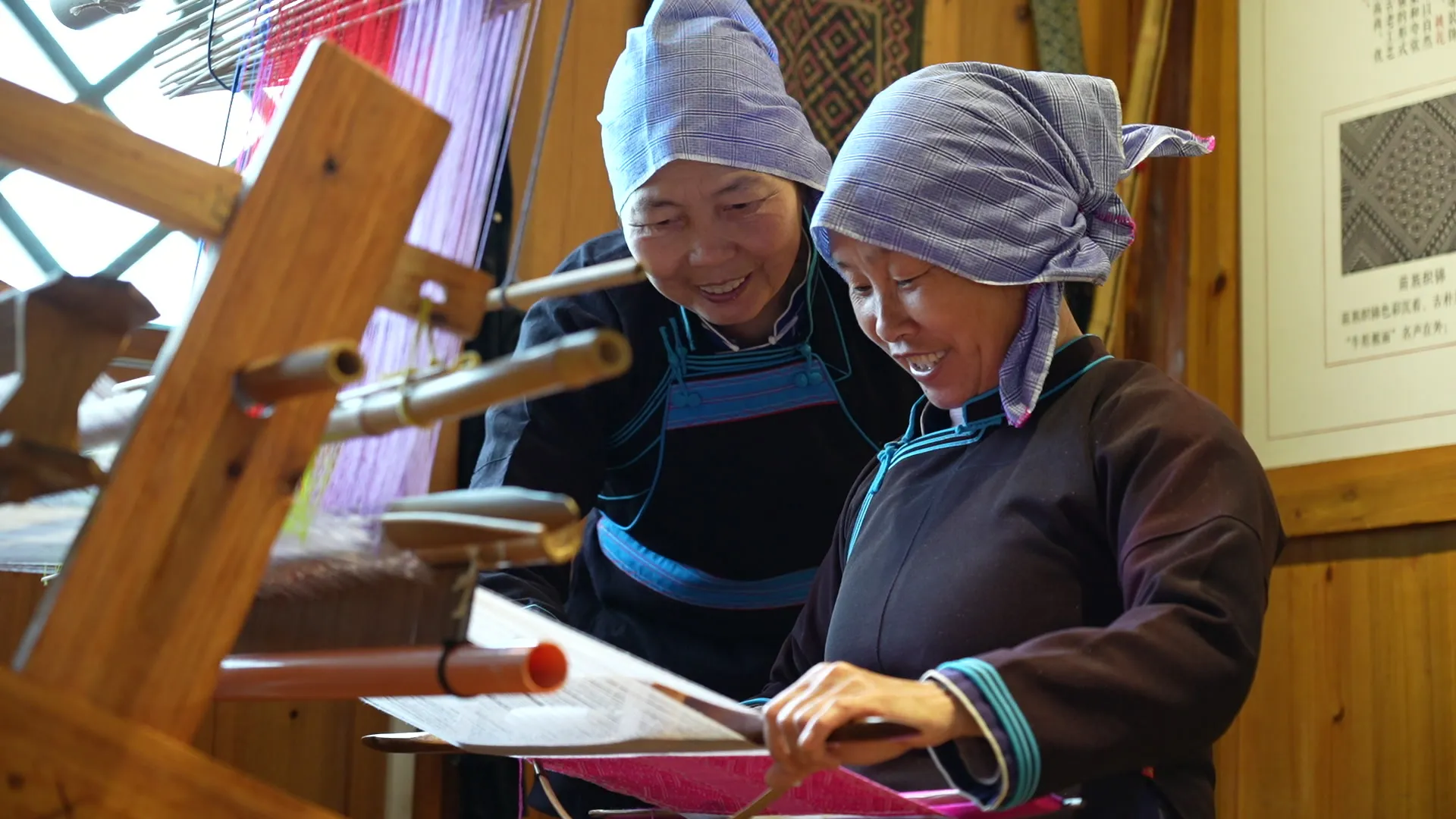
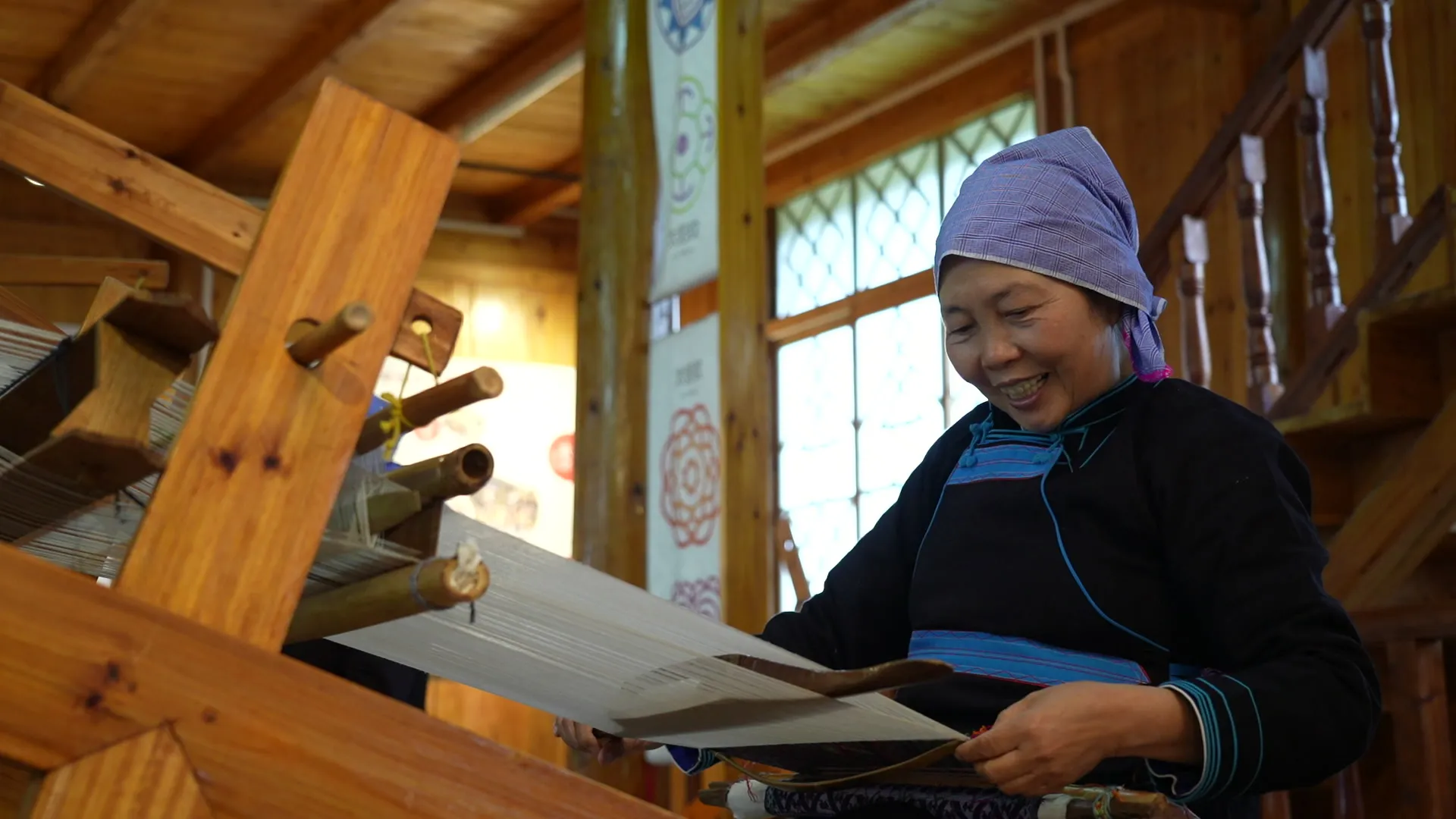
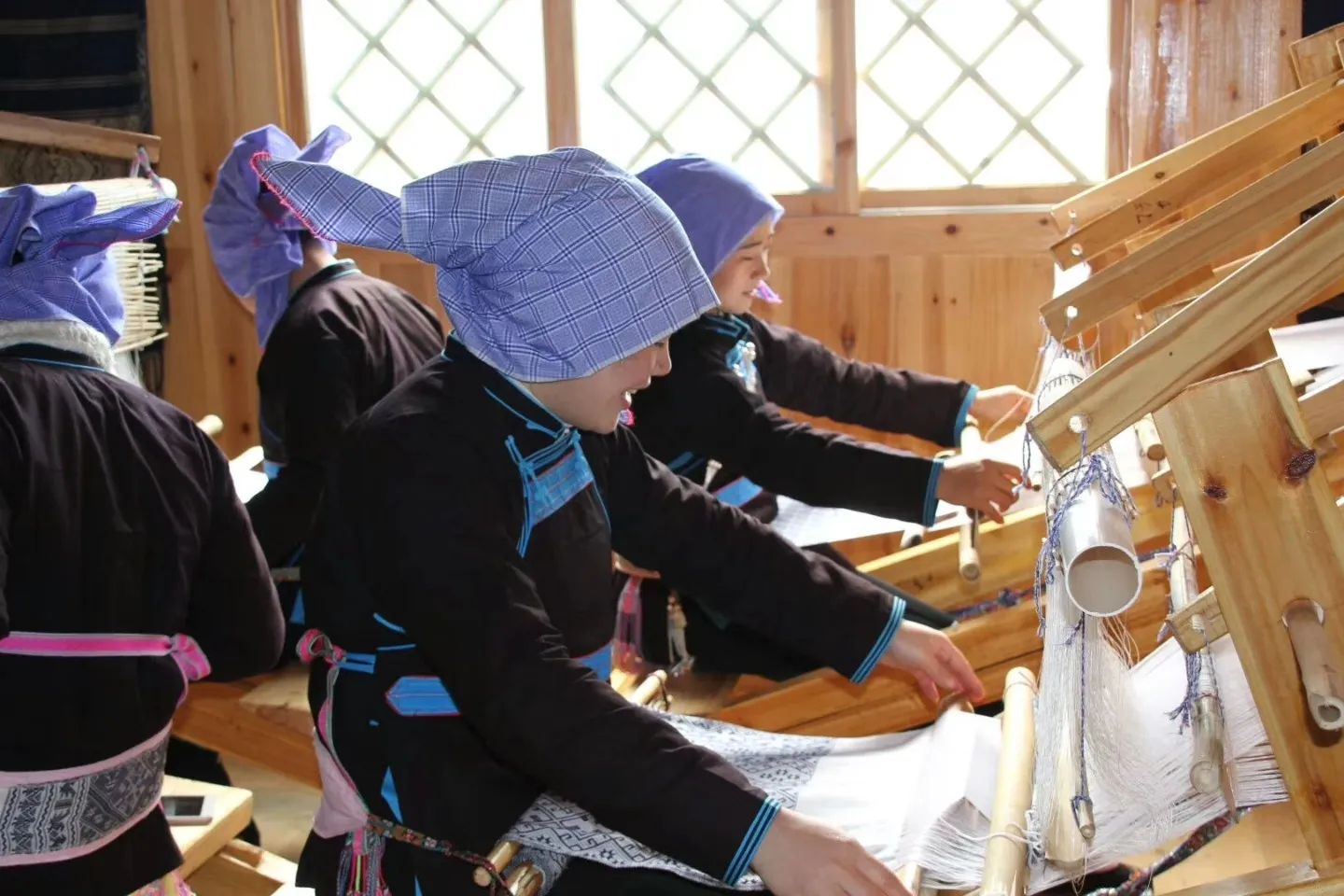
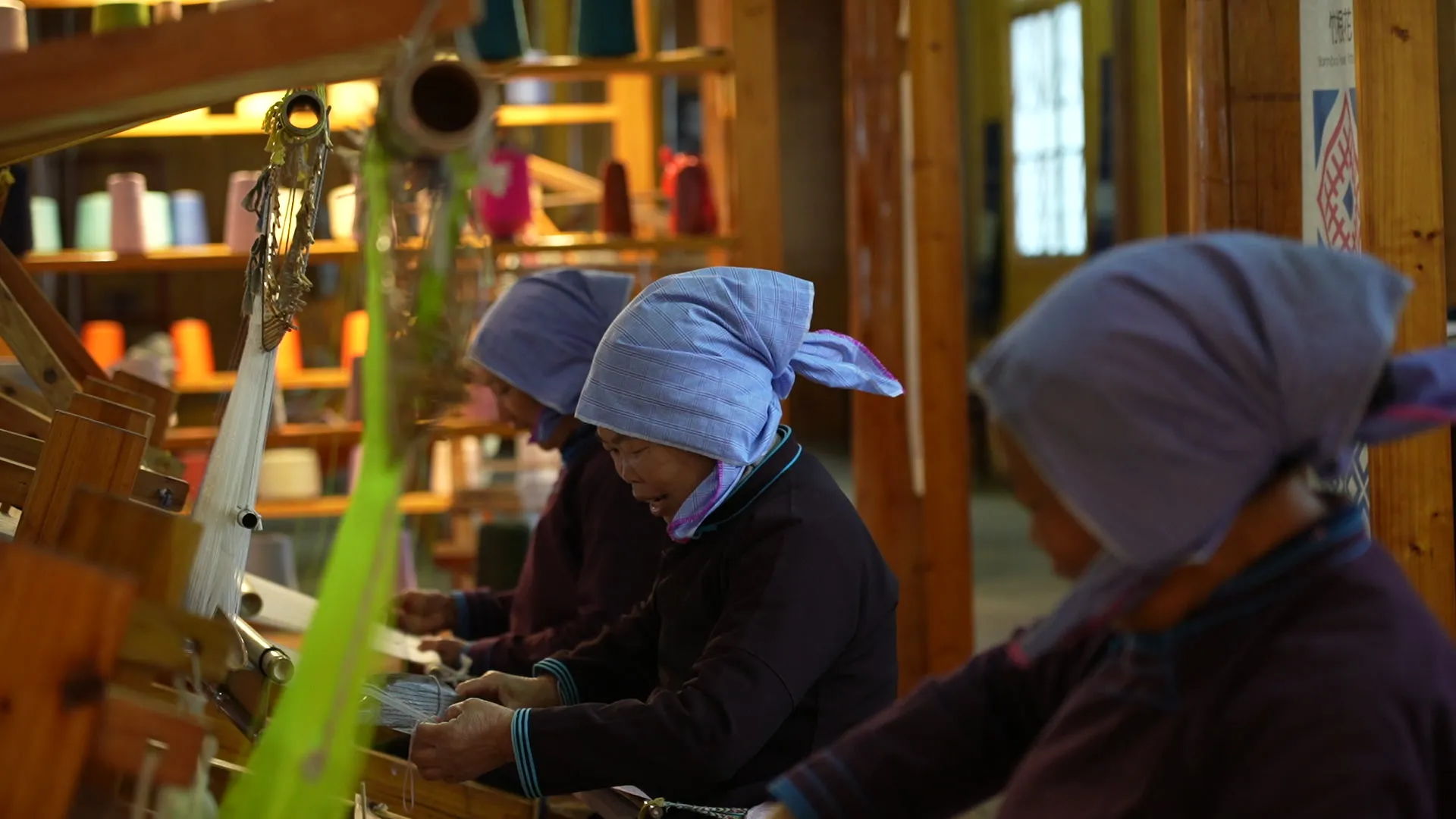
From Dong Brocade in Hunan to Tibetan Pulu, from Maonan homespun in Guizhou to Jiangxi grass cloth. Artisans grow cotton and spin thread themselves, weaving ancient geometric totems on traditional wooden looms.
THE ARCHIVES
Celebrating the eternal romance of Eastern textile artistry
A journey into the artisans' sanctuary.
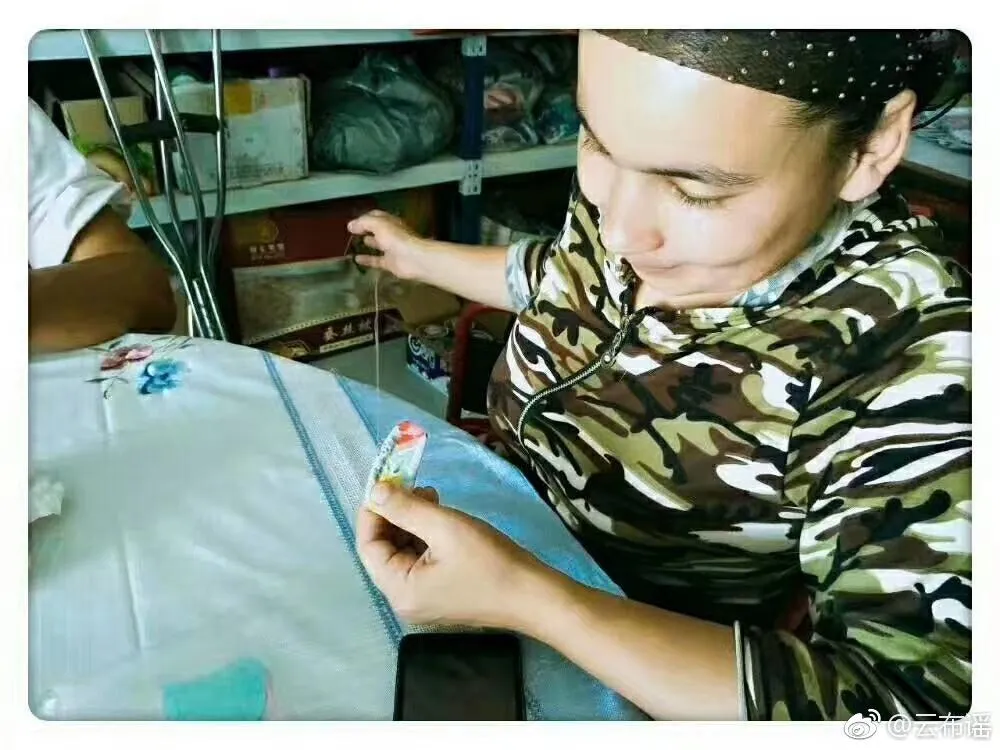
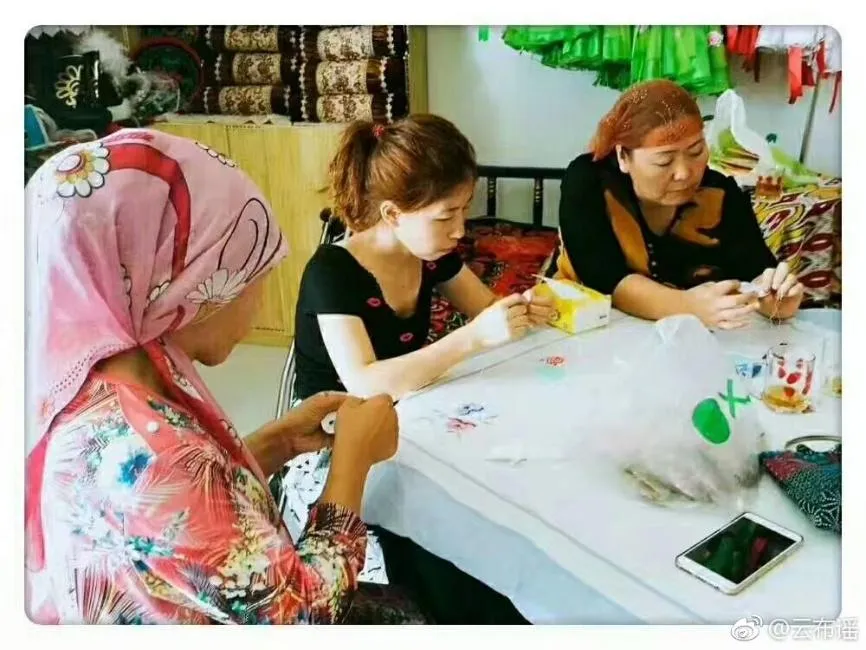
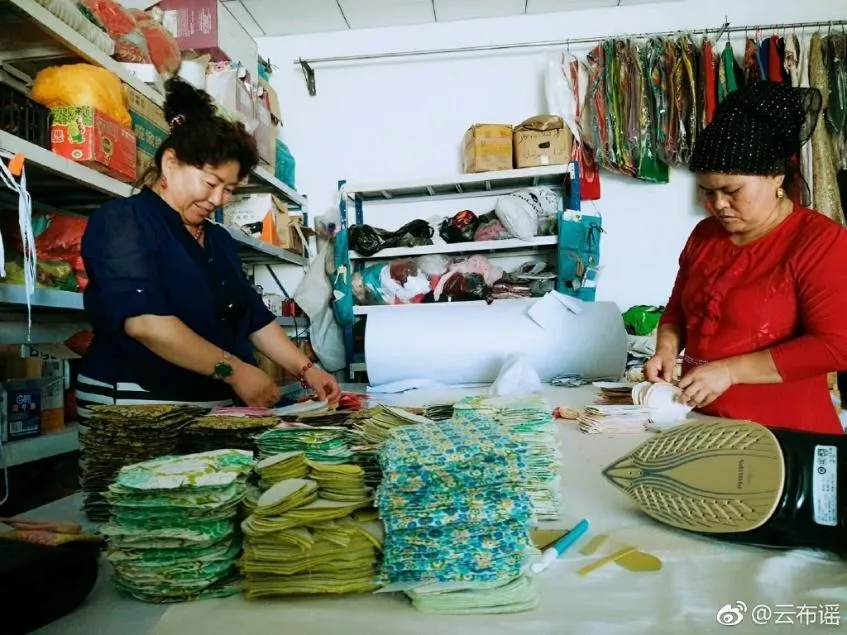
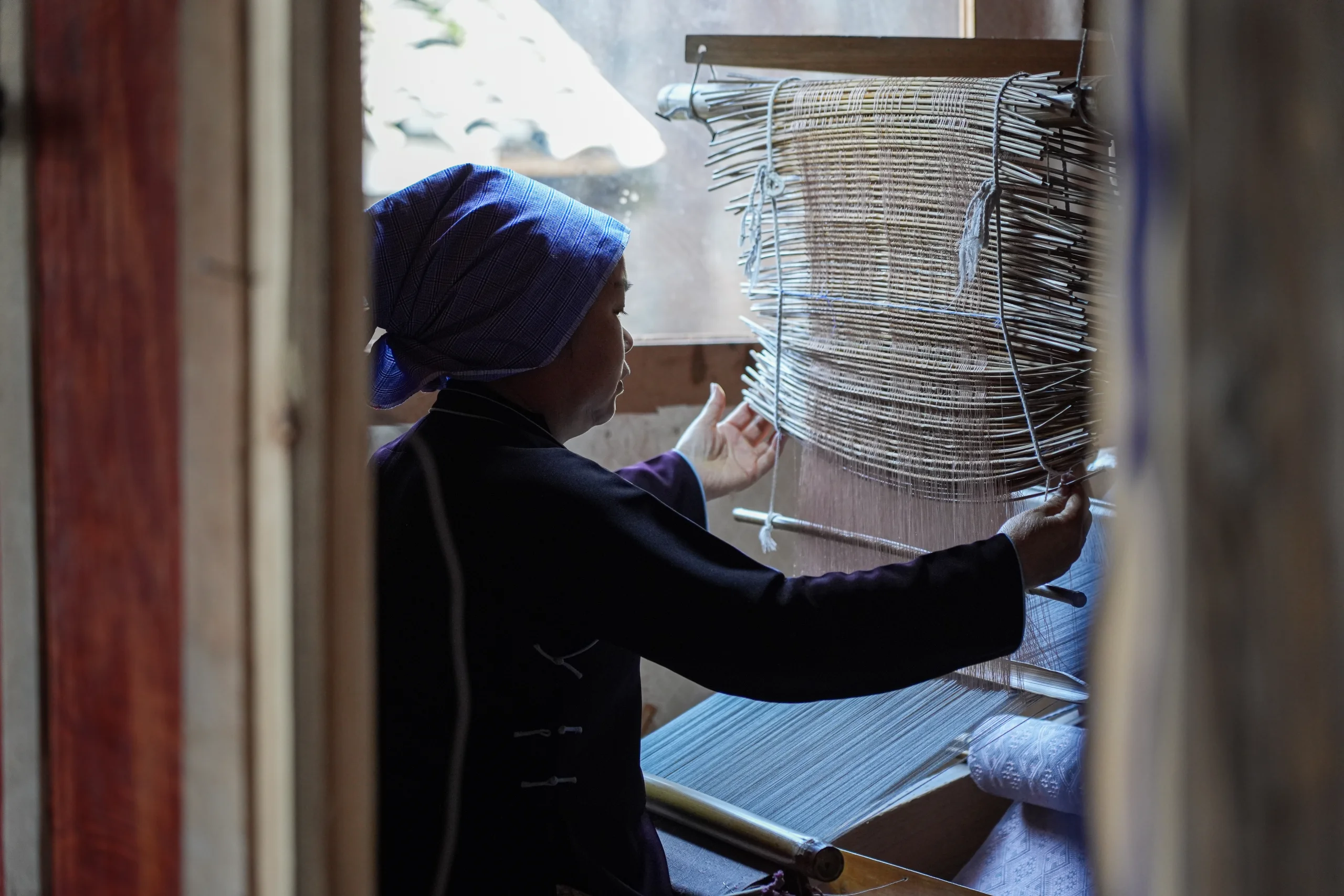
For millennia, Eastern female artisans have woven their stories, beliefs, and immense passion for life into fabrics. Every thread and stitch is not born out of hardship, but out of an overflowing love for beauty and existence.
We realized that to truly honor these crafts is not to treat them as fragile relics needing "rescue," but to celebrate the vibrant, breathing artistry they represent. These are not fading totems meant for museum walls; they are brilliant expressions of life that deserve to be worn, touched, and experienced in the modern world.
At Wovellune, we don't weave out of fear of losing a tradition. We weave because we are deeply captivated by the undeniable energy and emotional depth of these artisanal creations. It is a joyful continuation of an ancient romance with textiles.
* Connecting ancient passion to modern luxury
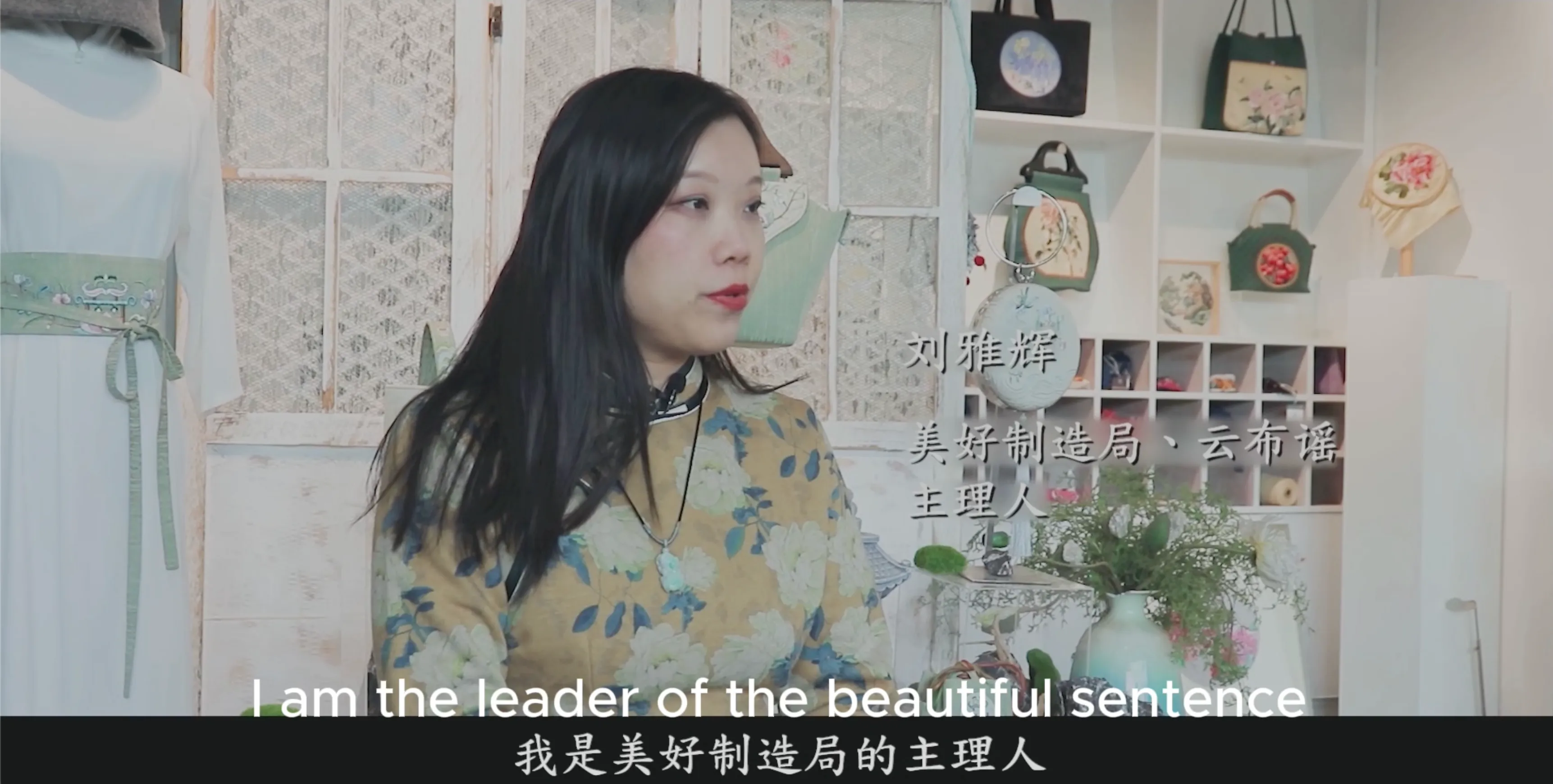
When founder Liu Yahui established Yunbuyao in 2016 (with Wovellune serving as its international extension), she wasn't driven by a "savior complex." She was simply awestruck by the mesmerizing beauty created by the women in the deep mountains.
"I wanted to share this profound love for life with the world. And the most respectful way to do that is to make these creations a part of our daily lives."
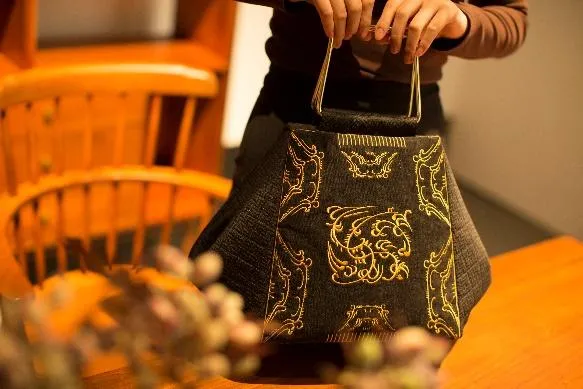
To use is the truest form of inheritance. We don't preserve these fabrics by locking them away. We honor the artisans by transforming their emotional art into stunning modern companions. A Wovellune bag is a daily dialogue with an ancient, passionate soul.
"We are not rescuing a dying craft; we are simply giving a platform to an eternal passion for beauty."
To Weave the Moonlight.
The past tense of "weave," signifying a power that transcends time. It represents the tangible, exquisite craftsmanship and the physical threads passed down through millennia by our female artisans.
French for "moon," carrying a soft, feminine mystique. It represents the intangible heritage—the quiet dreams, blessings of mothers, and whispered songs woven into the fabric under the watchful gaze of time.
Our artisans do not literally weave in the dark of night; rather, "weaving moonlight" is our spiritual core. It means capturing that gentle, silver, inherently feminine energy and threading it into the fabric of daily life. We are not merely protecting a dying craft; we are giving a platform to an eternal passion for beauty.
Three core pillars encompassing the traditional craft heritage of 15 ethnic groups, constructing a complete Eastern aesthetic system.
From Dong Brocade in Hunan to Tibetan Pulu, from Maonan homespun in Guizhou to Jiangxi grass cloth. Artisans grow cotton and spin thread themselves, weaving ancient geometric totems on traditional wooden looms.
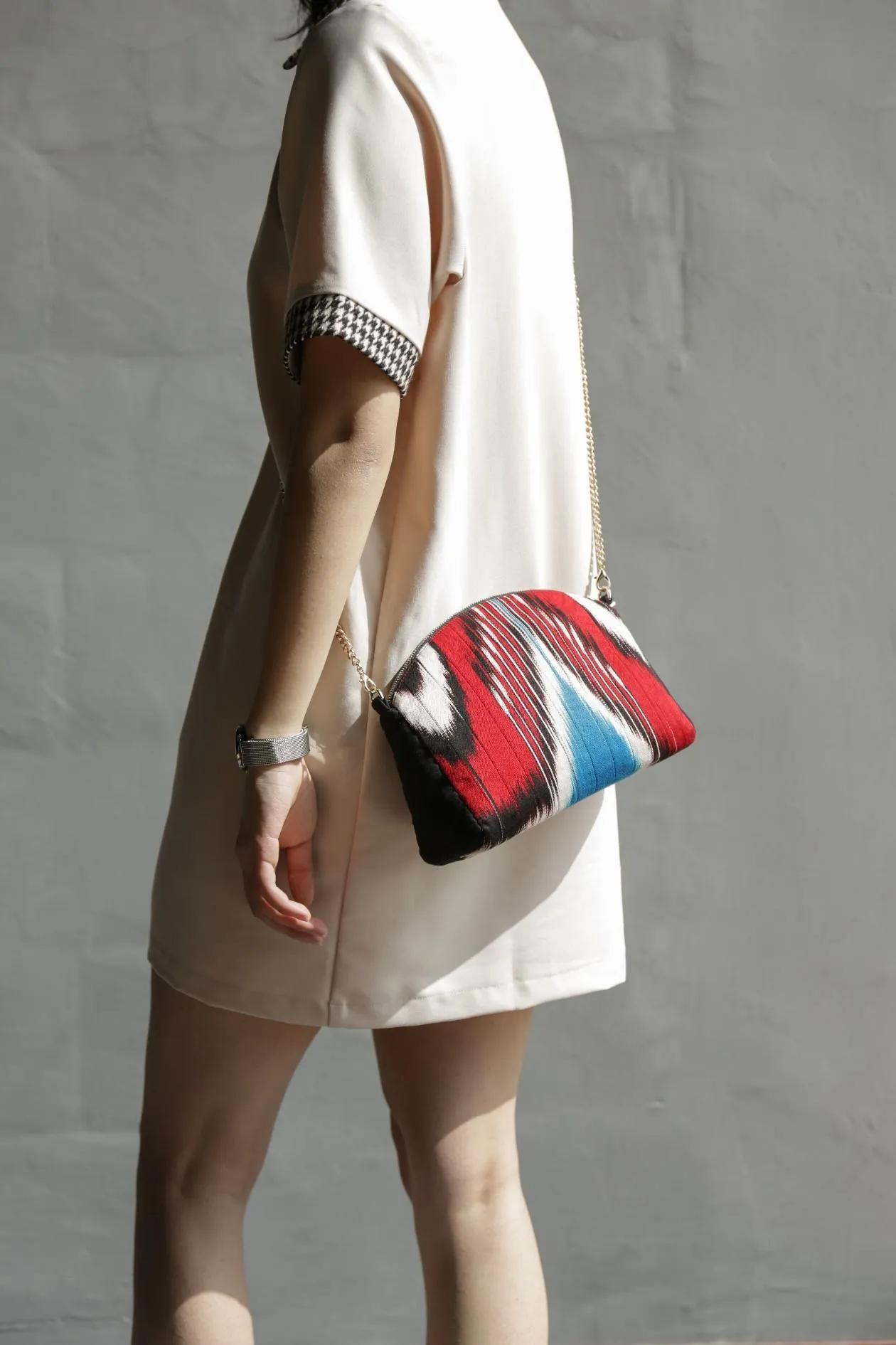
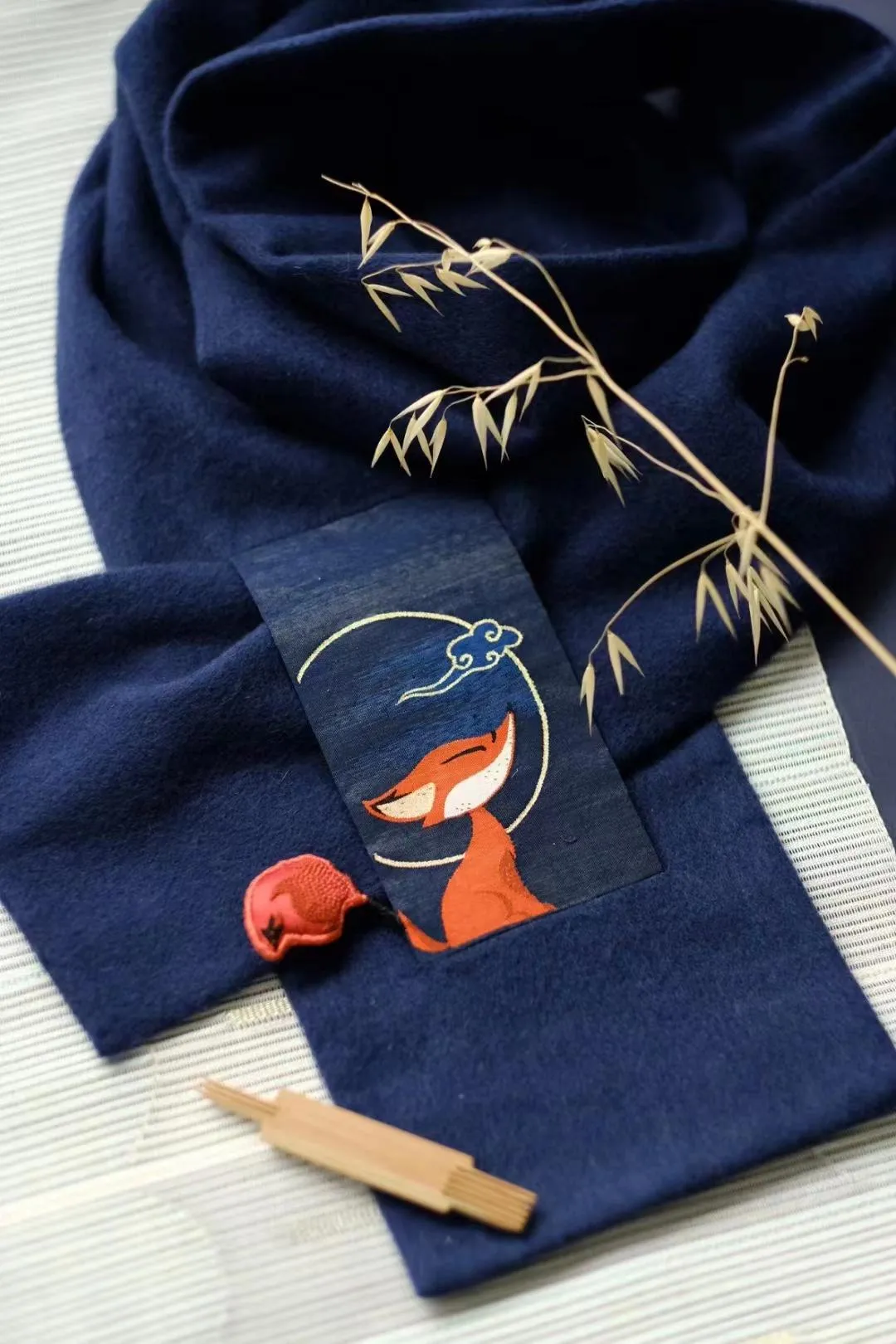
Guizhou batik and indigo dyeing retain the profound colors of ancient China. Xinjiang's Atlas Silk pushes dyeing to the extreme—patterns are formed entirely through ancient ikat resist-dyeing.
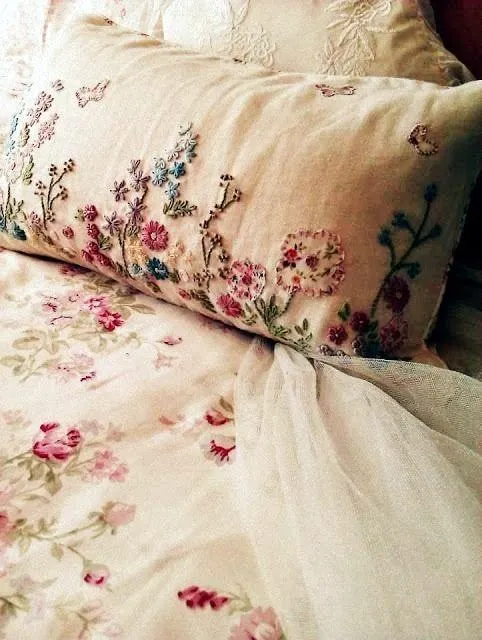
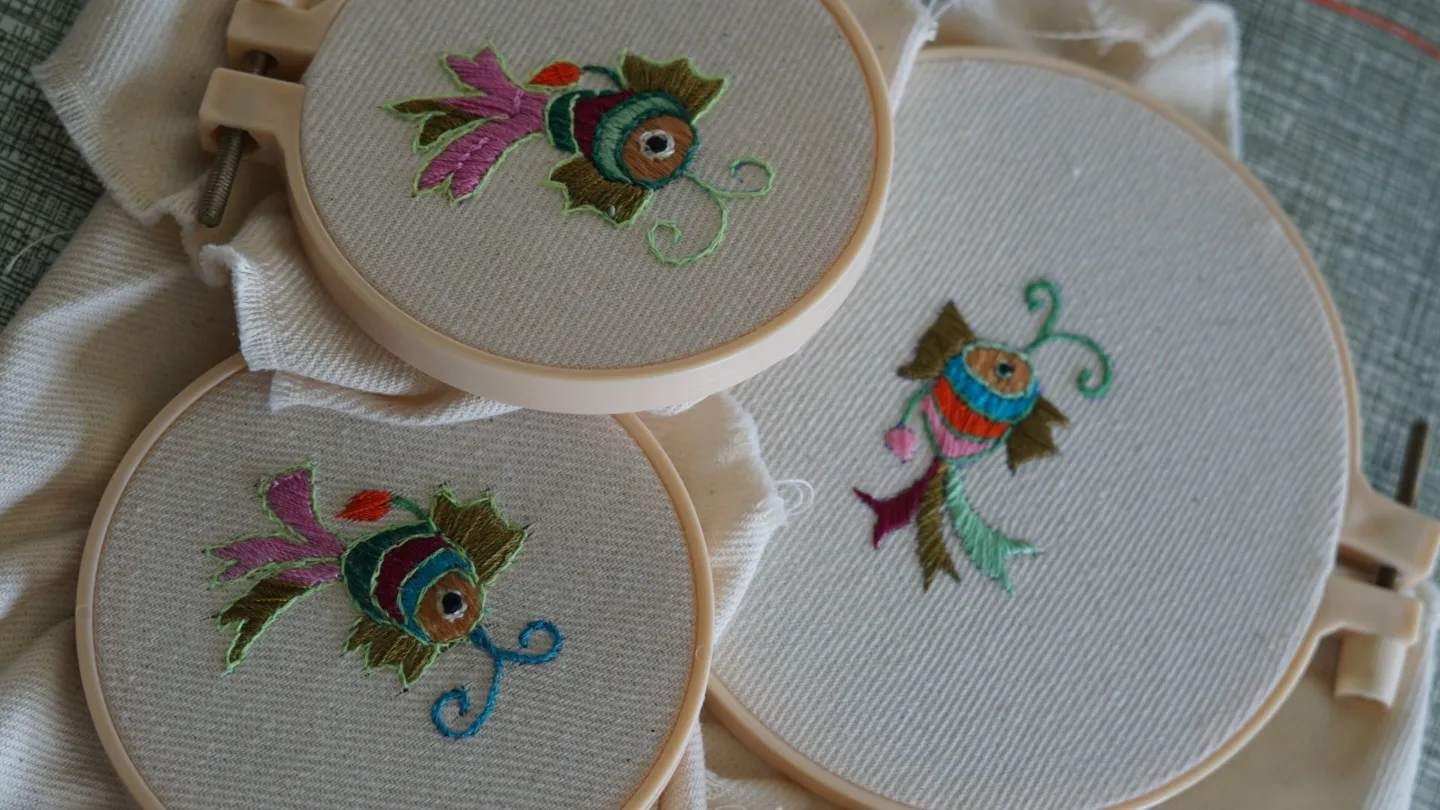
Xiang Embroidery, with over 2,000 years of history, brings animals to life using silk threads; whereas Miao and Qiang embroidery mostly use cotton threads for better durability during daily labor.
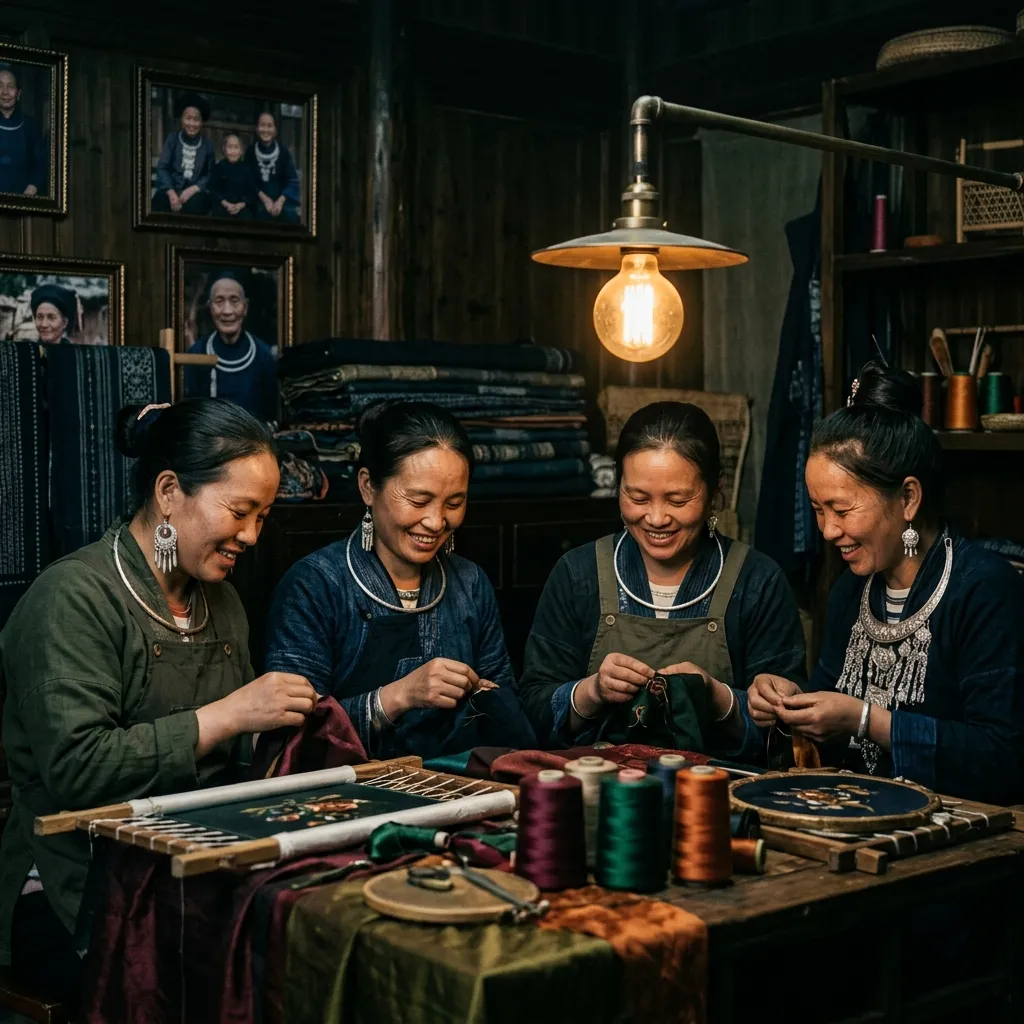
Beyond the creation of beauty, we provide a spiritual sanctuary that empowers the quiet, resilient souls of our artisans.
The Power of Silent Creation
"Great grace goes unspoken; skilled hands speak through cloth." Through our dedicated sub-brand, we empower disabled artisans to find their voice through the poetry of weaving. It is not about charity, but about reclaiming dignity and authoring their own stories through the creation of profound beauty.
Weaving Innocence into Art
An initiative where pure imagination meets ancient craft. We translate the vibrant, unfiltered paintings of autistic children into exquisite textiles. This collaboration transforms their inner worlds into tangible art, celebrating their unique brilliance and granting them a dignified place in society.
Ballads Written in Thread, Woven in Moonlight
For millennia, needle and thread have been the unspoken ballads of Eastern women. We believe the ancient loom is a spiritual sanctuary celebrating female vitality and the poetics of time. By elevating these crafts into modern luxury, we weave moonlight—translating the timeless strength of our artisans into an eternal romance with life.
Behind every intricate pattern is an artisan's overflowing passion for life. These are the women who weave time into art, radiating the gentle power of the East.
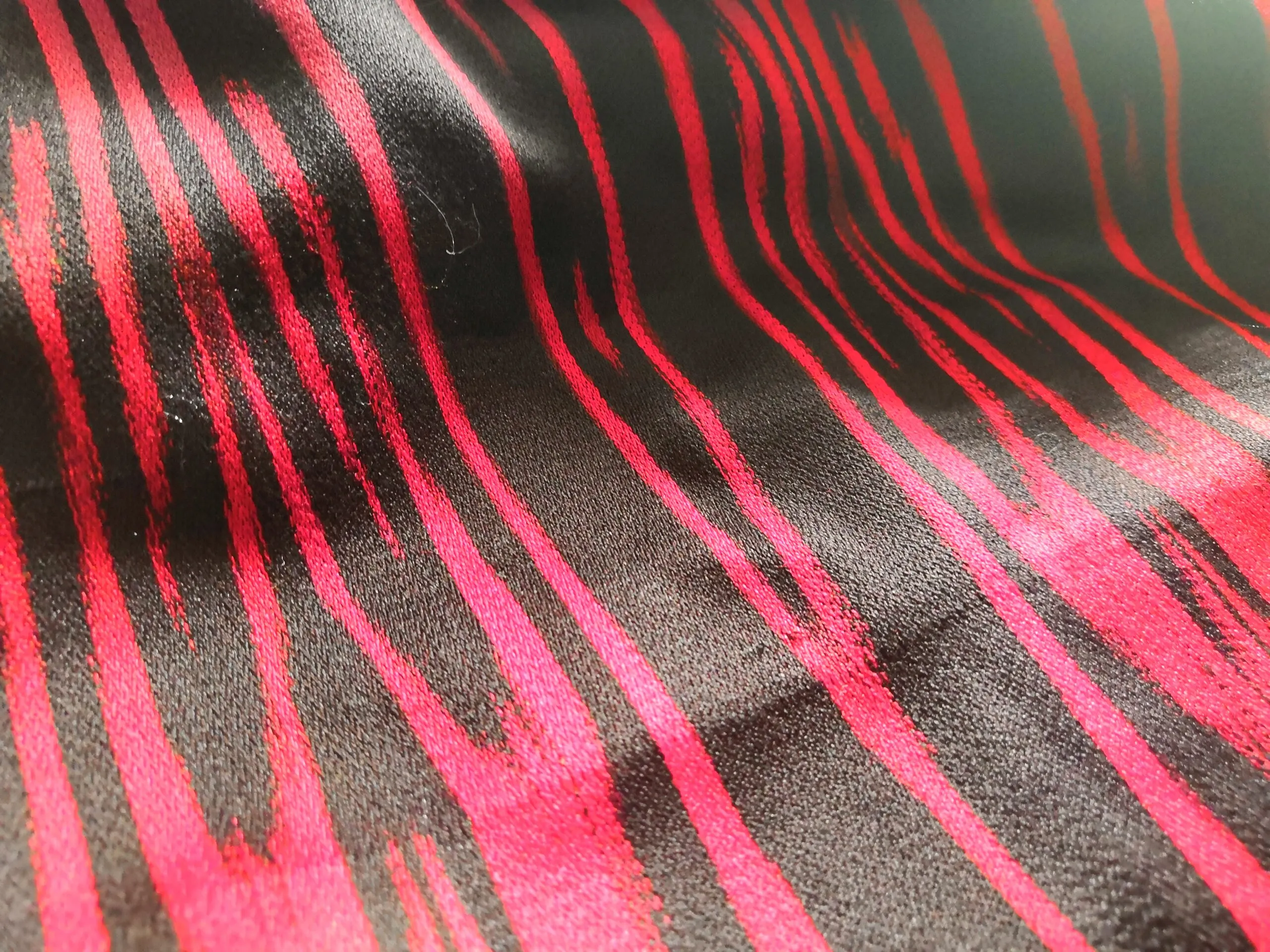
Atlas is the oldest silk in Xinjiang, with over 2,000 years of history. On the ancient Silk Road, Xinjiang's silk traveled west, mesmerizing the entire Western world.
The Atlas process is extremely complex. Its greatest feature is that patterns are entirely formed by manual ikat resist-dyeing, rather than printing. Uyghur artisans blend the ruggedness of desert winds with the luxury of silk, creating unpredictable colors.
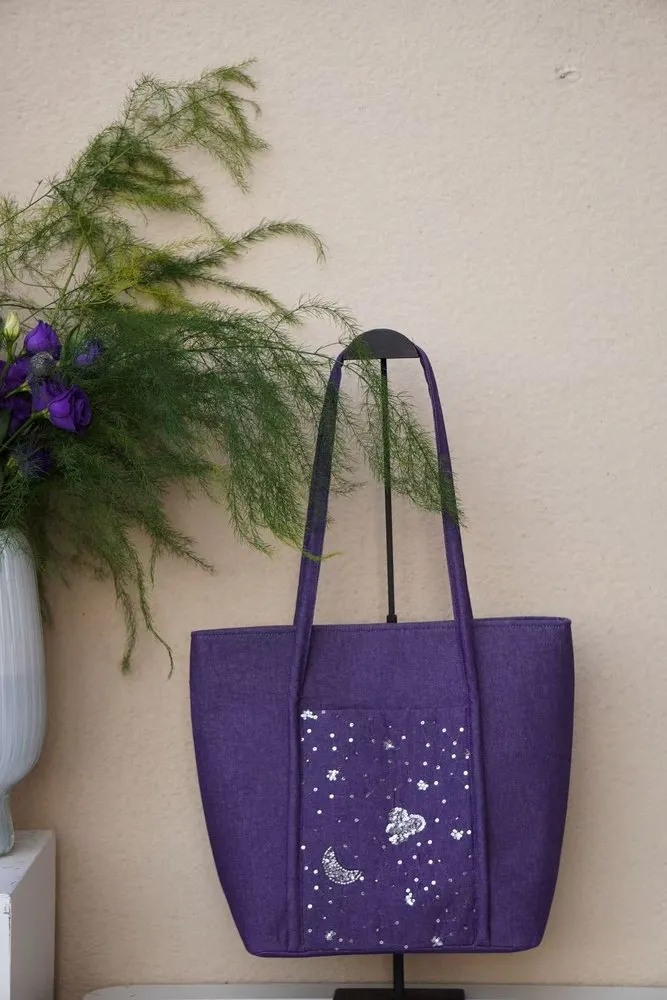
Historically, Atlas was confined to traditional ethnic clothing. Wovellune established a Design Center in Turpan to provide professional guidance to local artisans. We transform this 2,000-year-old fabric into modern luxury handbags, reinventing its commercial value.
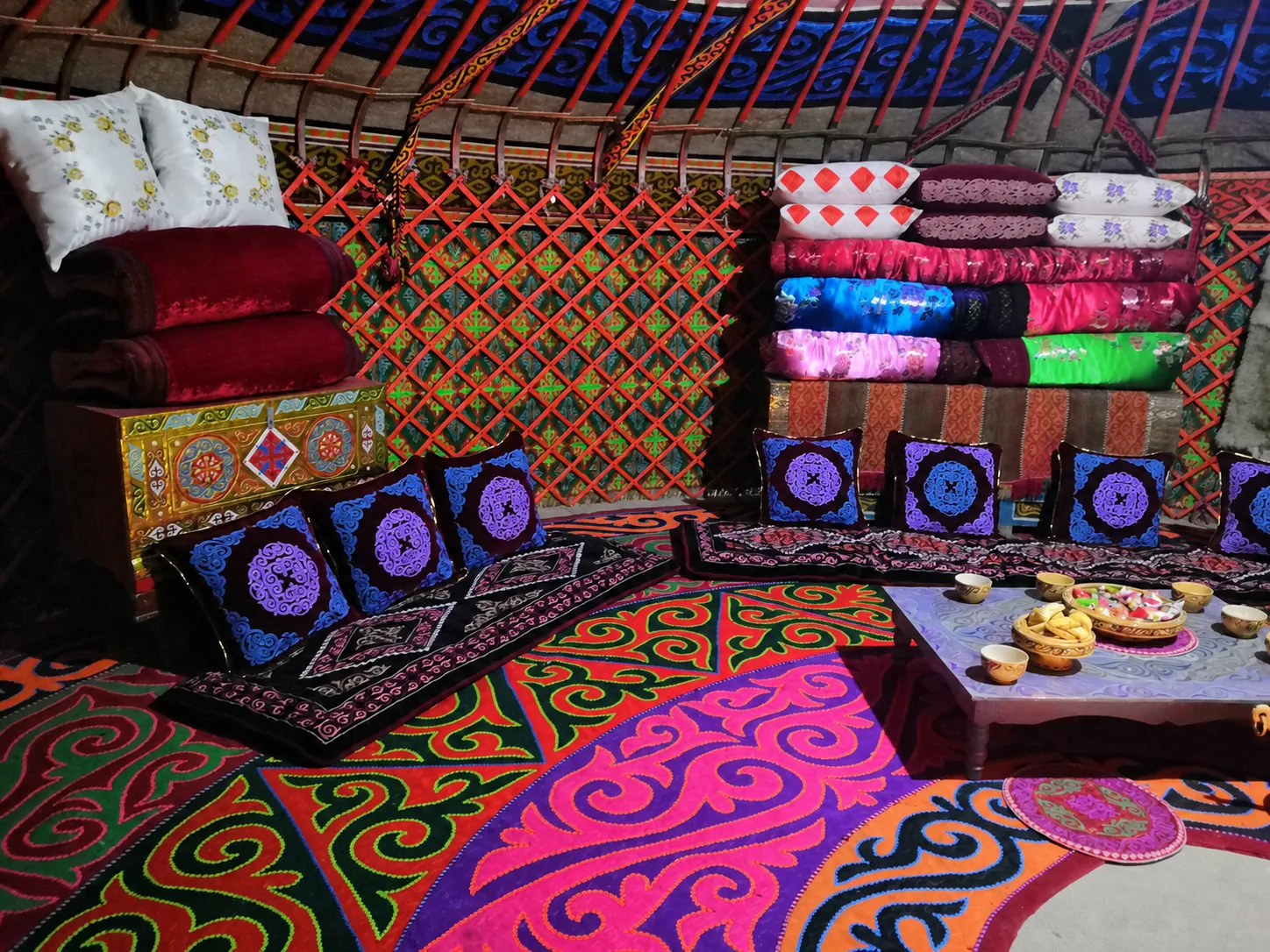
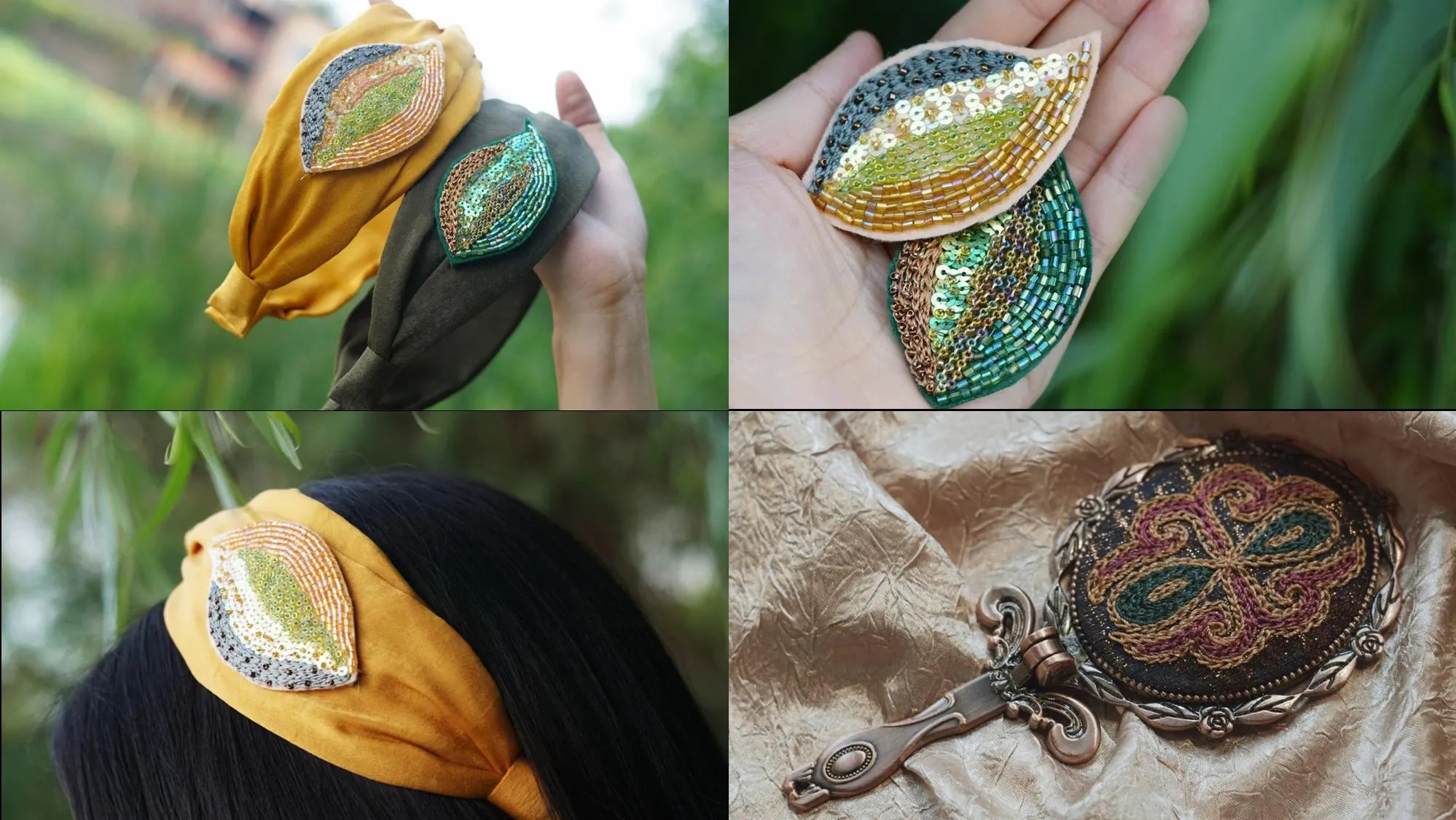
When we started Kazakh embroidery in 2019, domestic records were practically non-existent. We eventually found a comprehensive Japanese book—written by scholars when a Kazakh grandmother lived in Japan for 3 years. We used this book to recover much of the lost history.
The famous "Ram Horn" motif protects young lambs. Since the nomadic embroiderers are free-spirited, we pioneered a "Targeted Embroidery" model: we pre-cut and mark the fabric, send it to their mountain yurts, and they mail it back. This preserves authentic handcraft while standardizing quality.
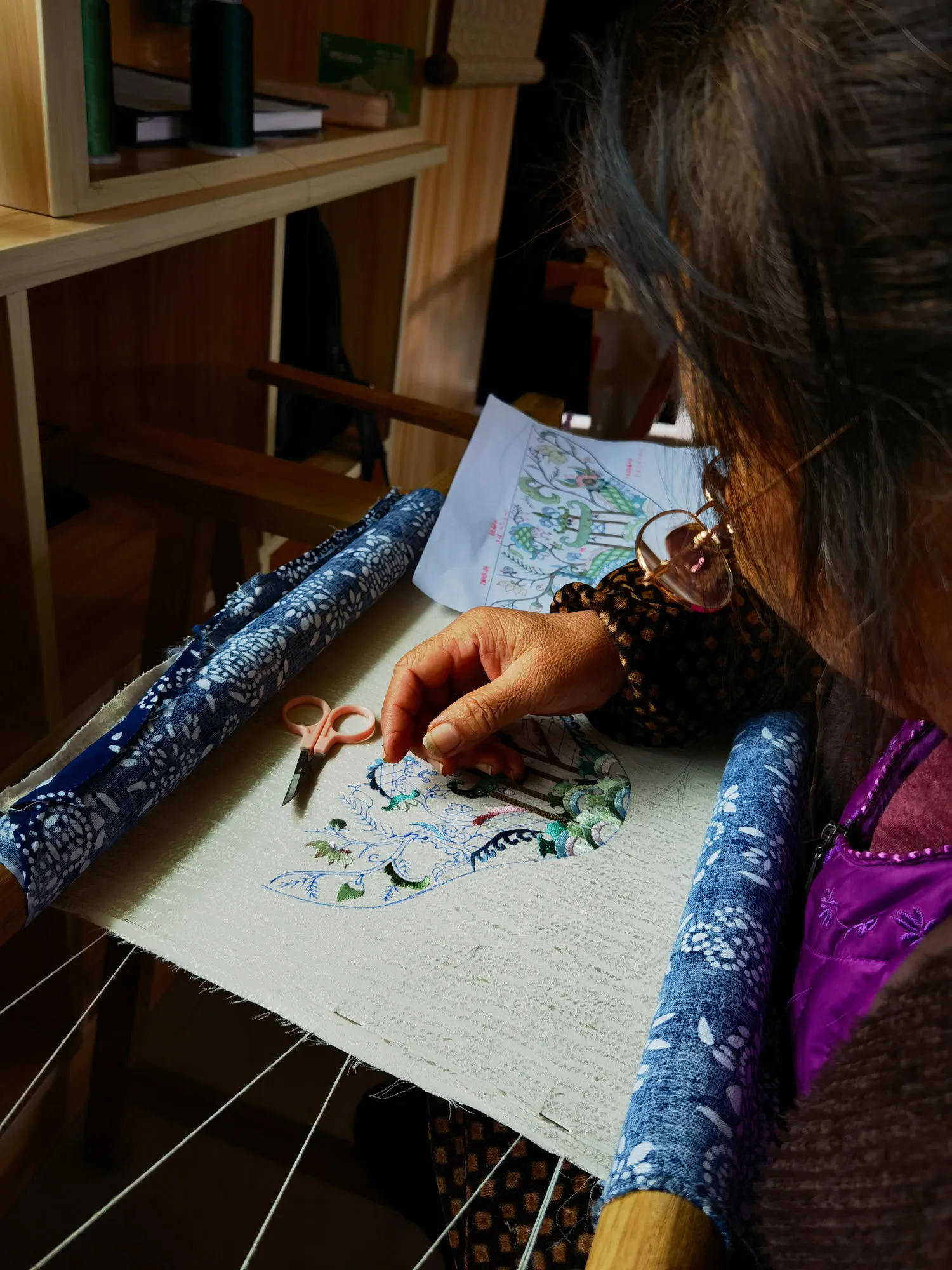
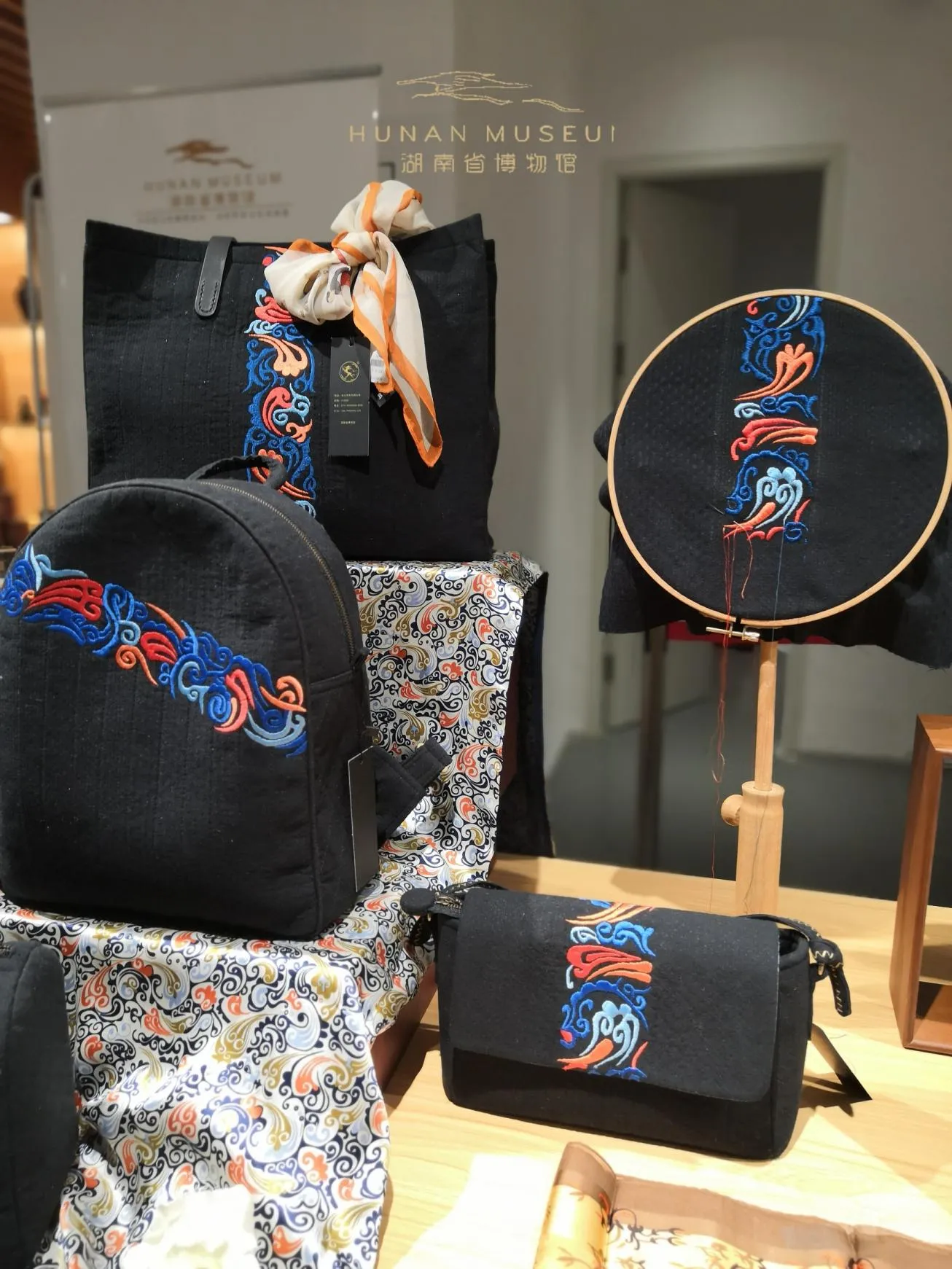
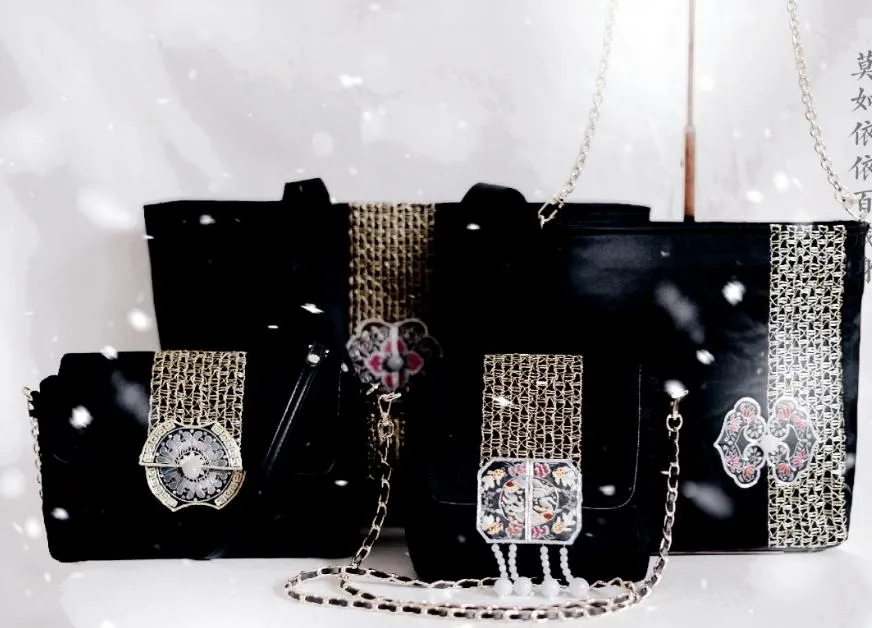
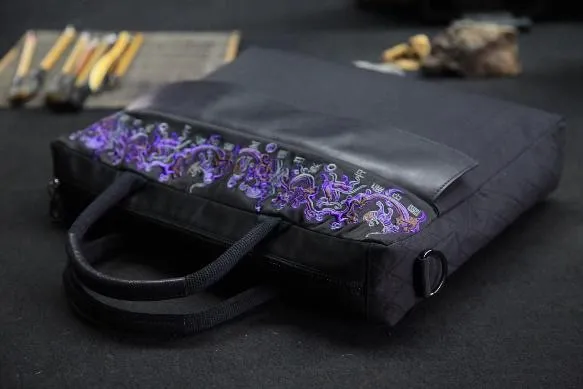
The Miao people in Guizhou originally migrated from Hunan. Compared to Guizhou's strict geometry, Hunan Miao embroidery is vividly freehand. Our "Silk Dragon" series stems from an embroiderer's wild imagination—a dragon with a head full of blooming flowers.
This piece depicts a carp leaping over the Dragon Gate. It uses no draft, relying entirely on the artisan's inner vision, displaying a vitality completely absent in mass machine embroidery.
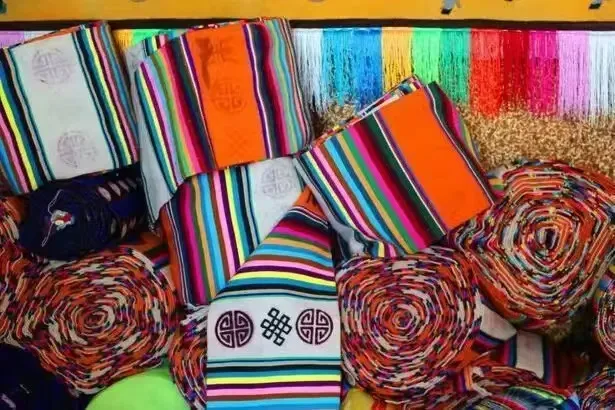
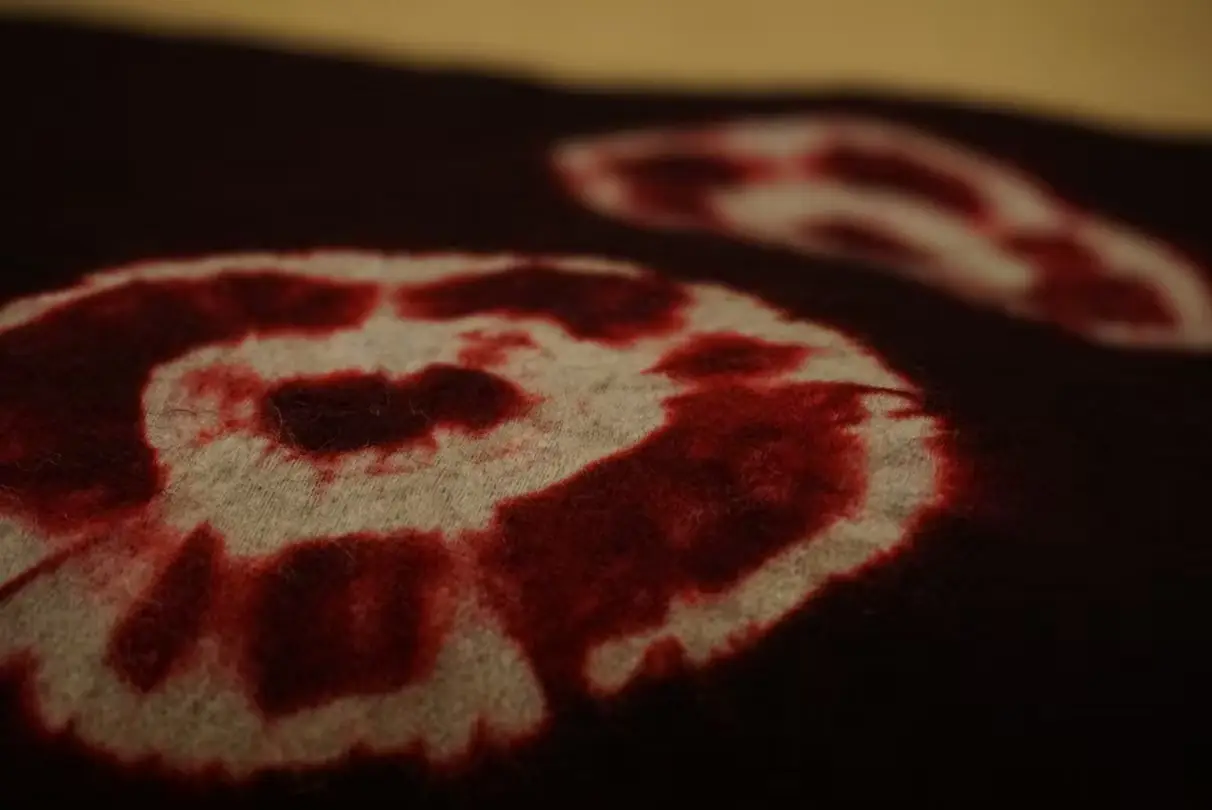
Millennia ago, Tibetans only used animal pelts. The maids of Tang Dynasty Princess Wencheng taught them how to weave. This handwoven woolen fabric is called "Pulu." We extract and recreate its patterns, revitalizing this craft that witnessed millennia of Han-Tibetan cultural fusion.
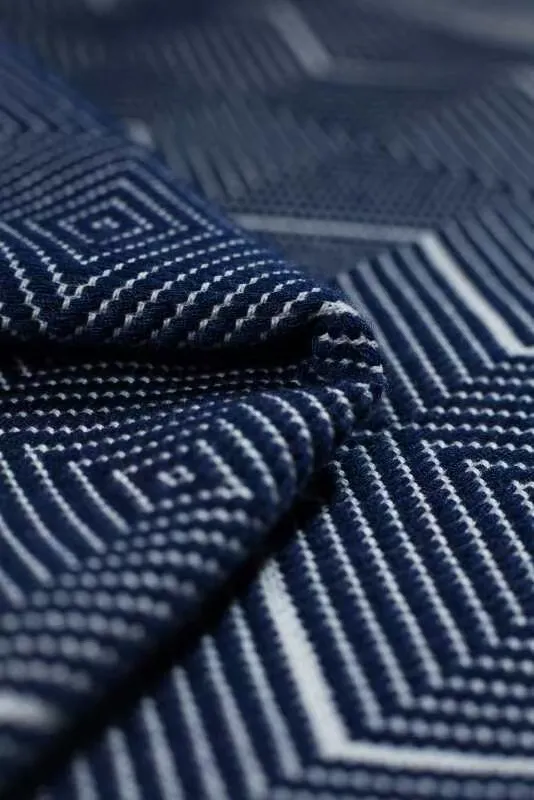
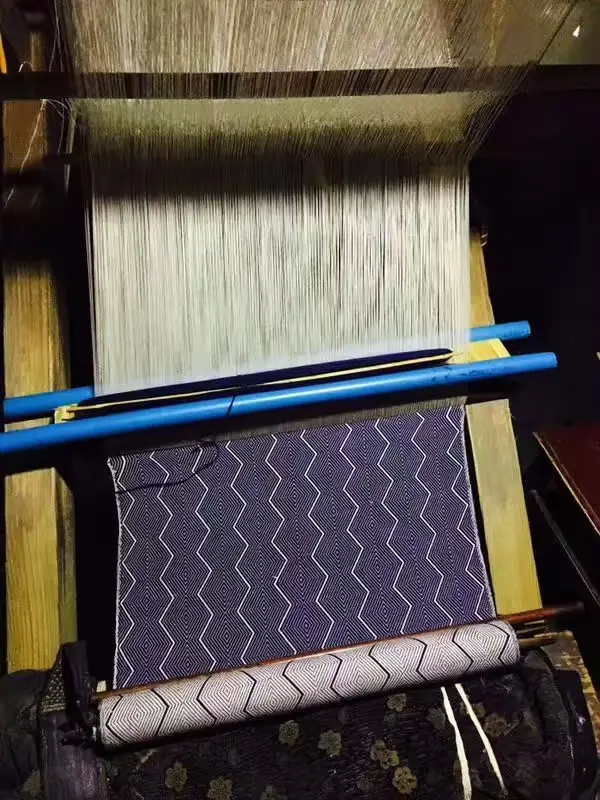
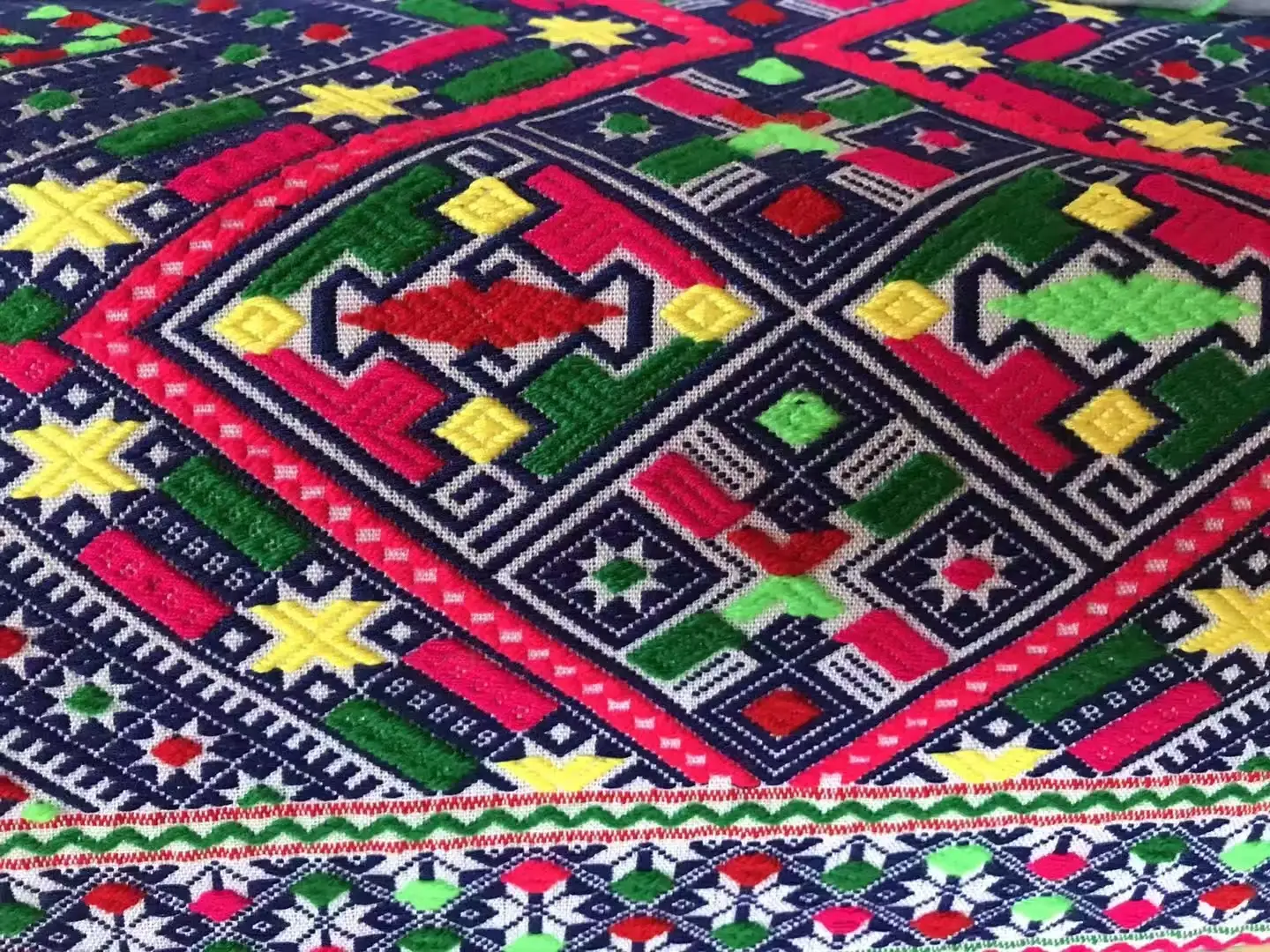
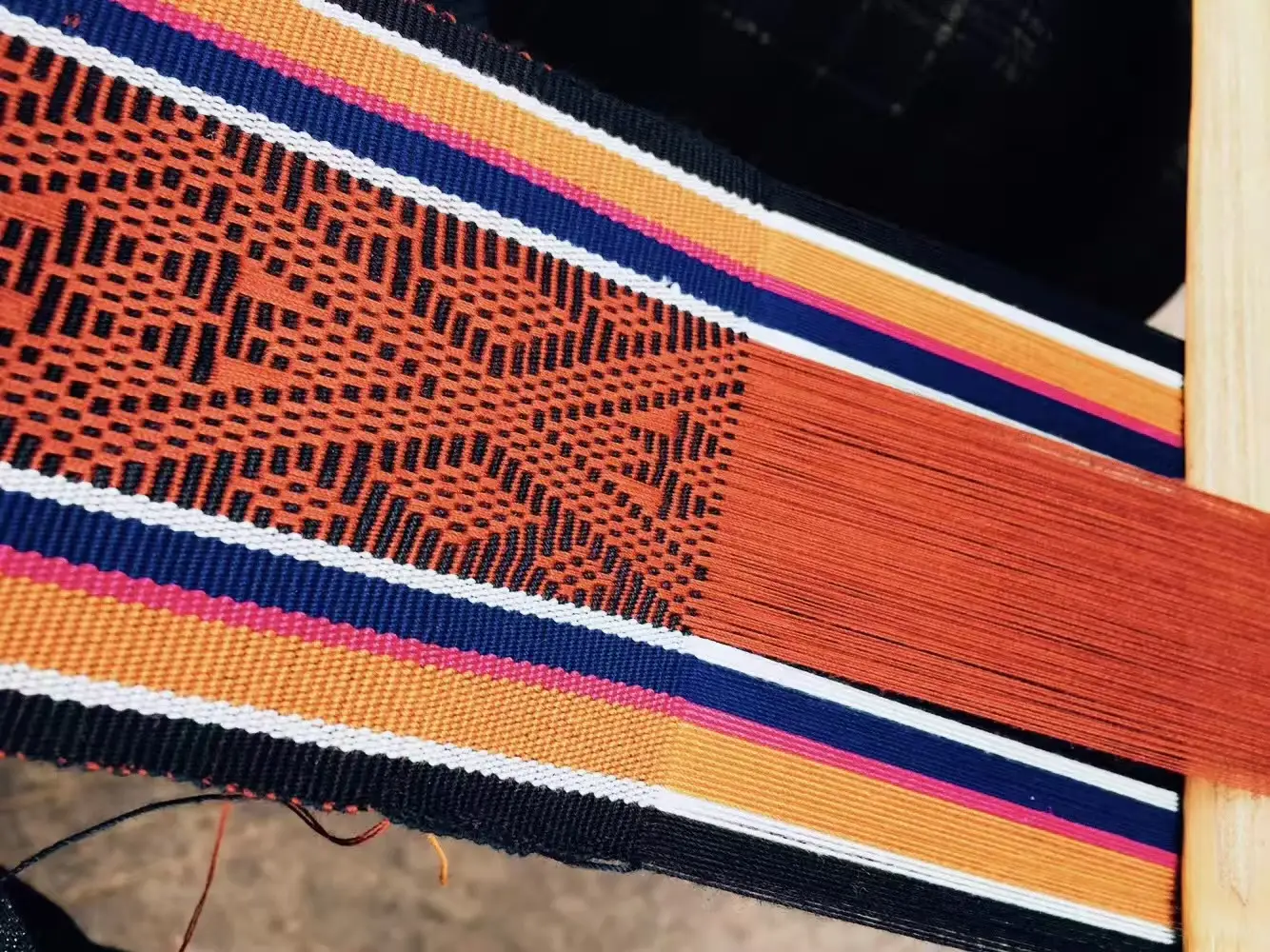
Dong Brocade has over 2,000 years of history. Featuring the classic "Water Ripple" pattern and natural indigo dye, it requires immense precision. Weaving a single meter takes over 70 hours and mental calculation of 400 warp threads. We transform these ancient totems into modern luxury bags.
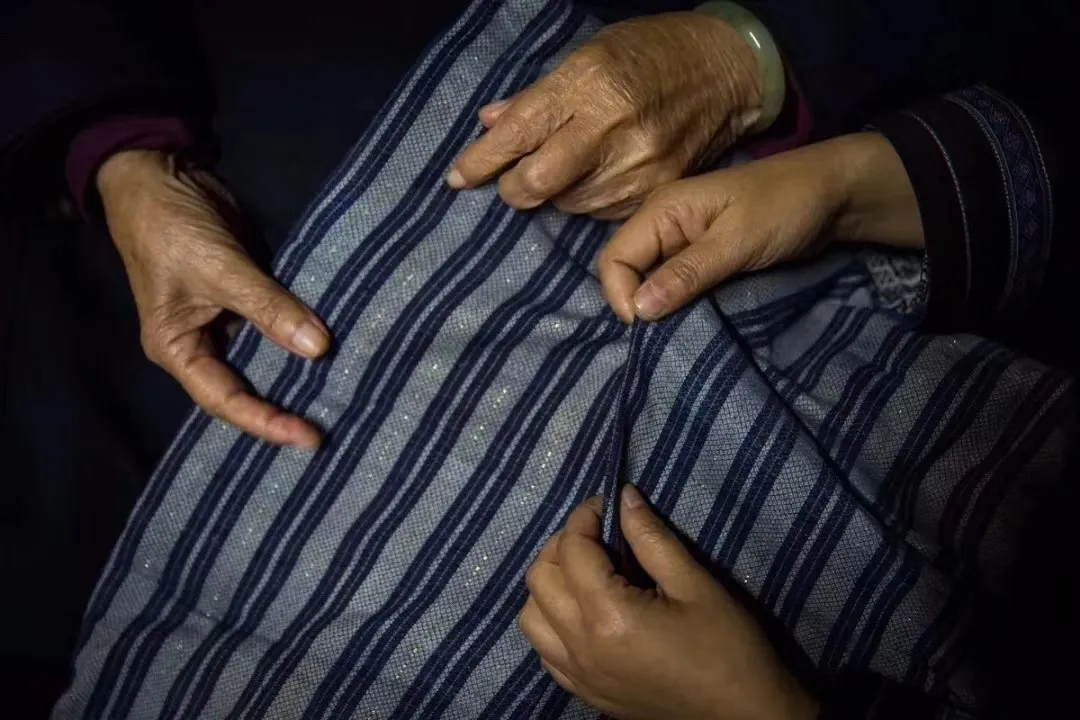
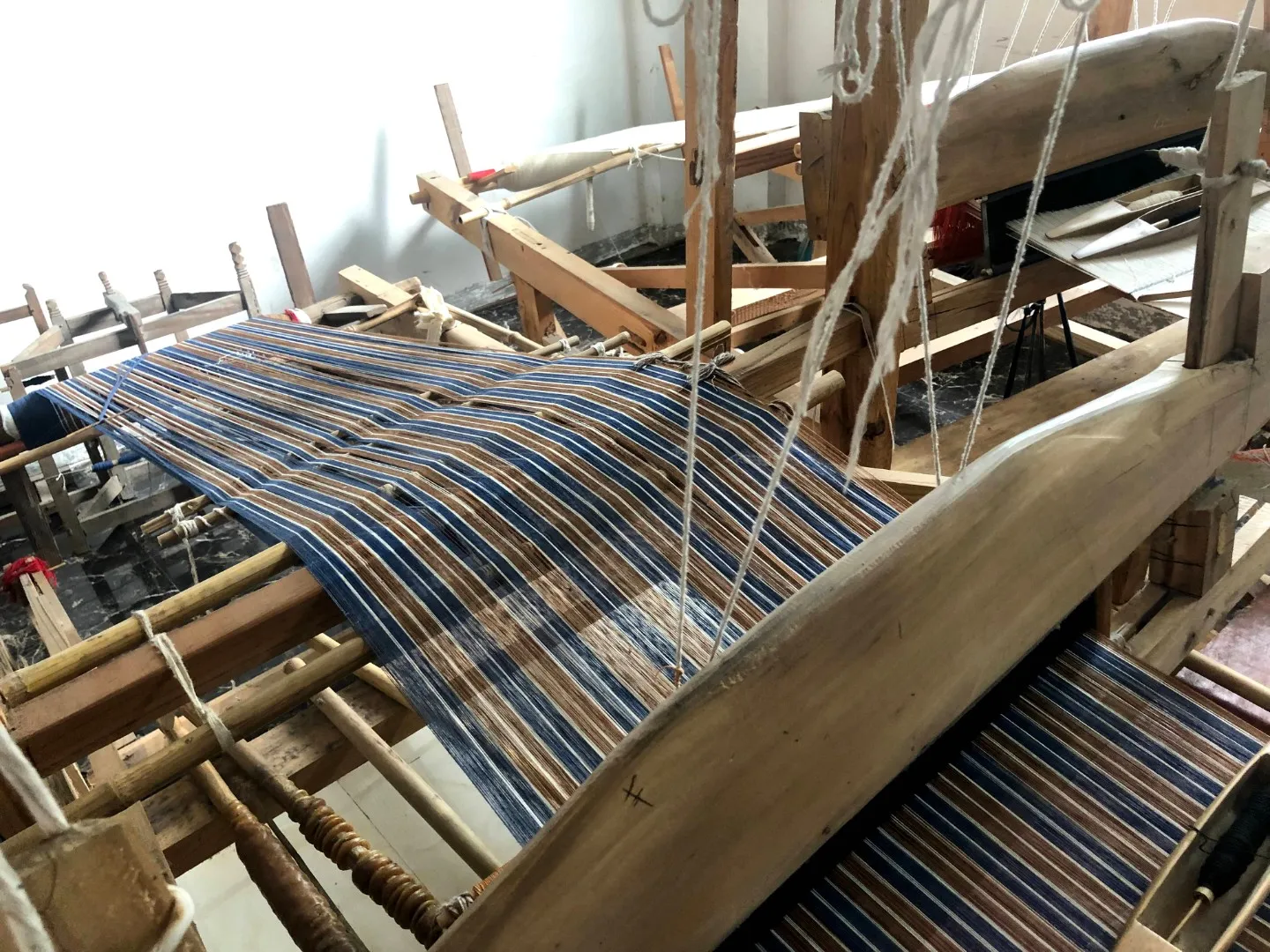
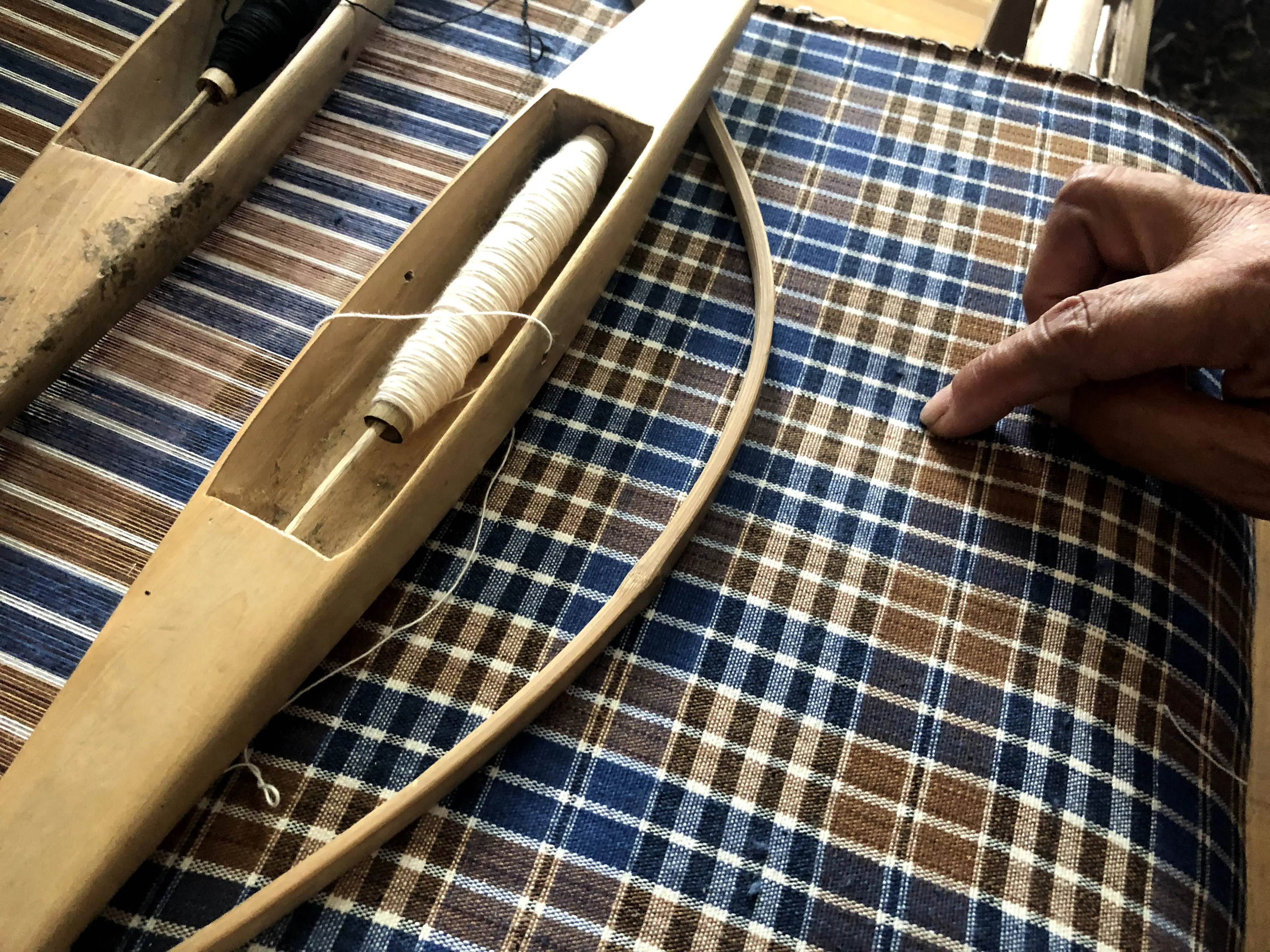
The Maonan is a rare ethnic group of only 120,000 people deep in the Guizhou mountains. For generations, they have grown cotton and spun thread themselves, passing down ancient techniques.
This sturdy, warm handwoven fabric in black, white, and blue is breathtaking on its own. We simply use modern bag design to endow it with new functionality and vitality.
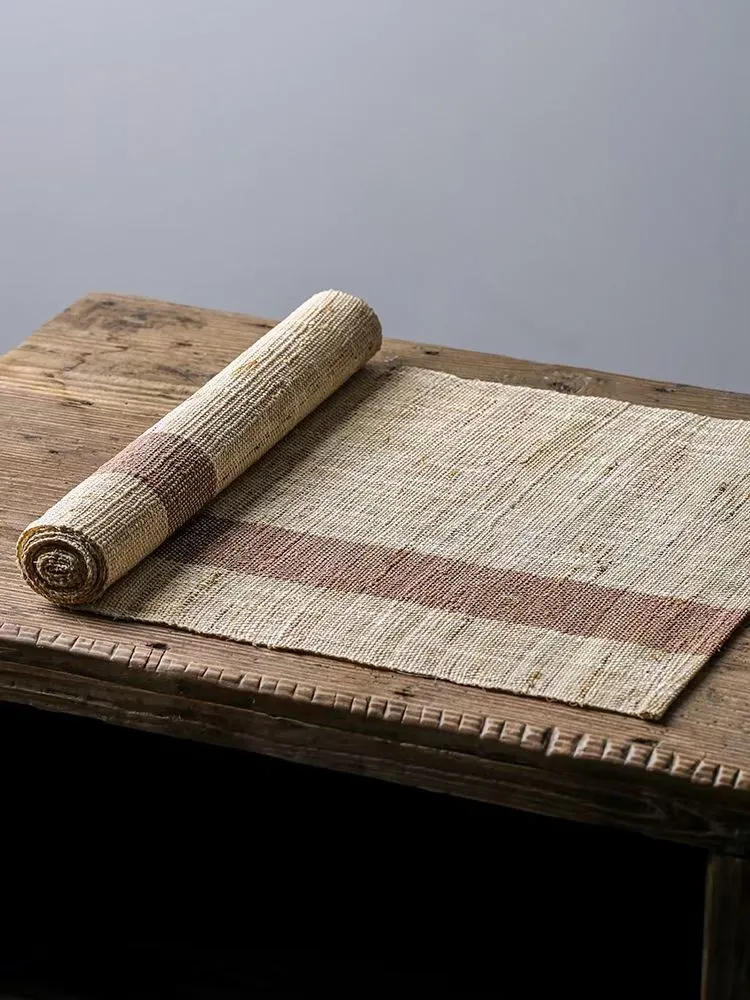
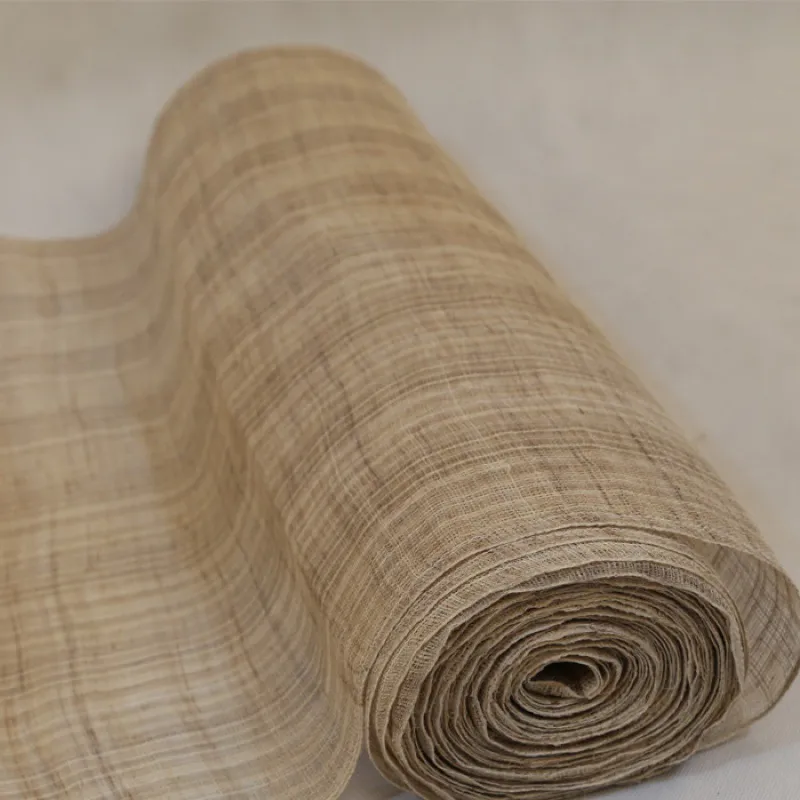
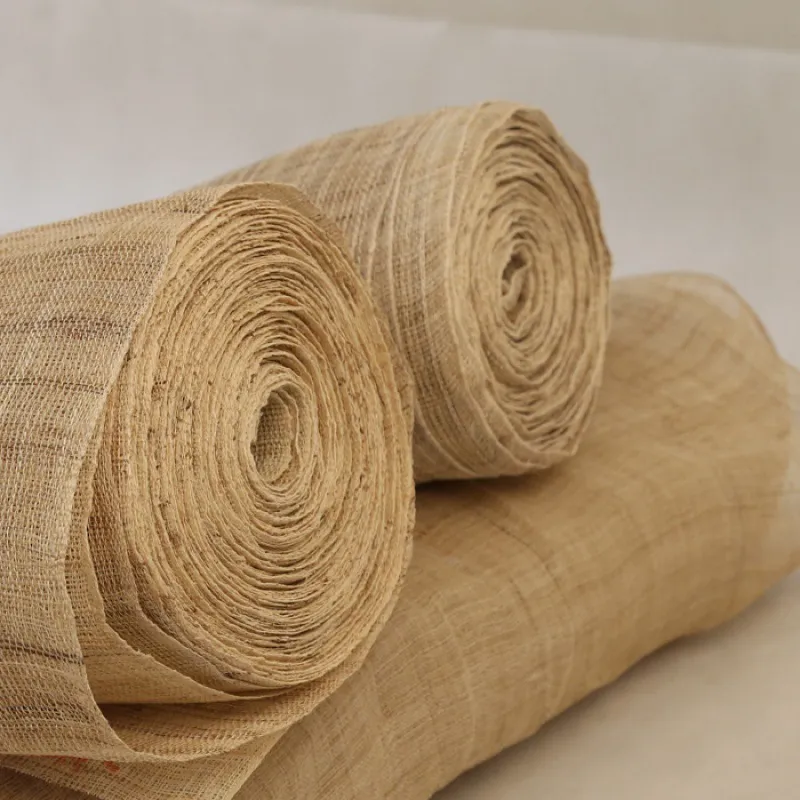
Grass cloth originated in China but reached ultimate luxury in Japan, where it is bleached in the winter snow. The extreme temperature makes the fabric incredibly soft and expensive. As Japan's soil is unsuited for ramie, the best raw material still comes from China. Wovellune strives to revive its domestic glory.
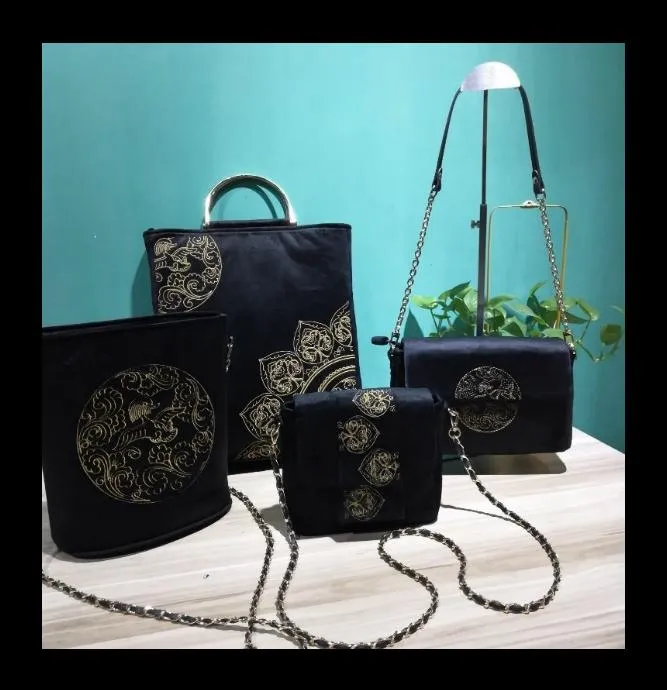
Yunbuyao is founded in China, initiating years of field research into ethnic minority handcrafts. (The international trademark "Wovellune" was registered later to bring these crafts to the global stage).
Invited to exhibitions in Paris and Dubai. Established a branch and training base in Xinjiang to empower local weavers.
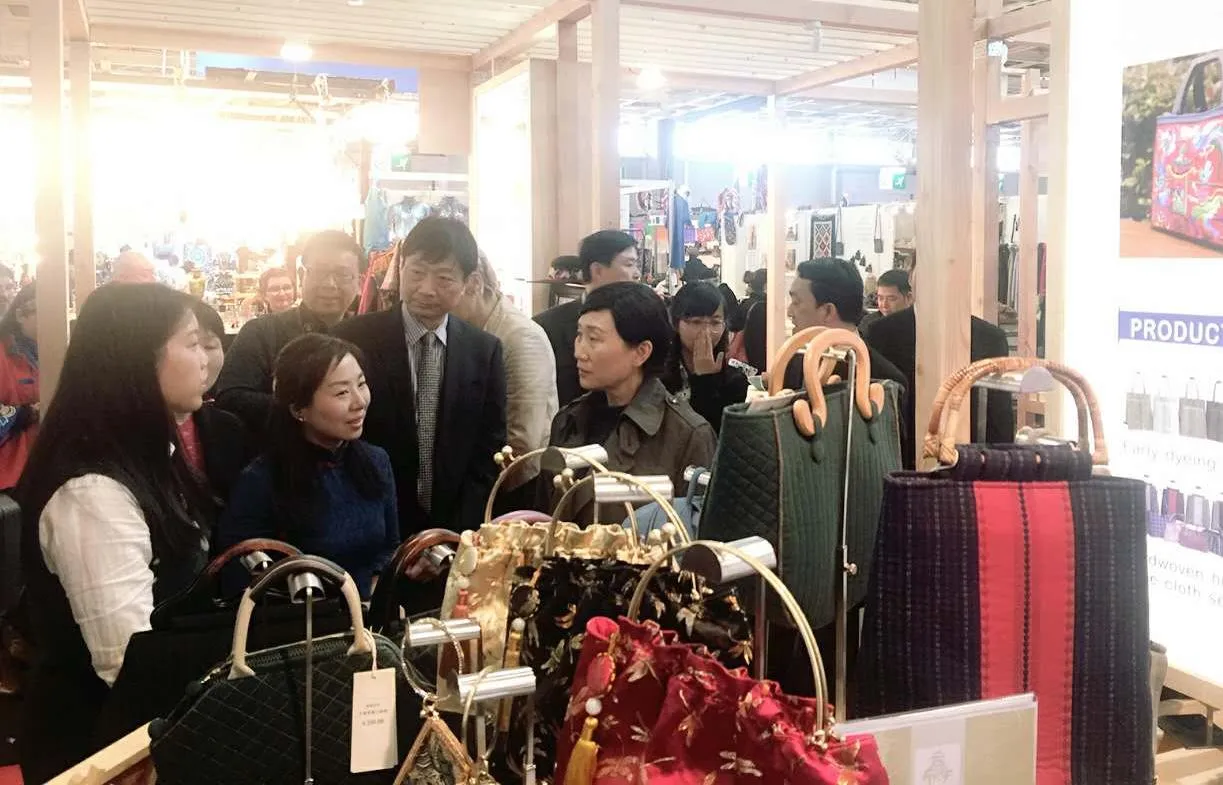
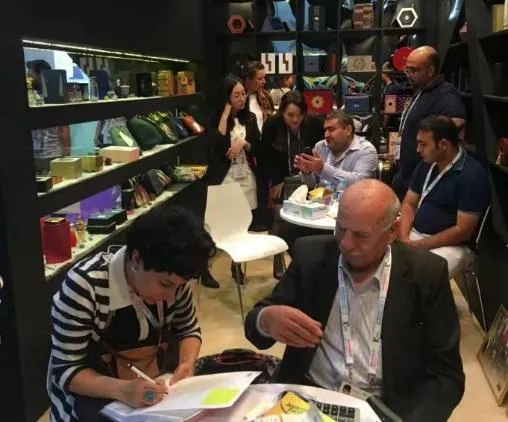
Launched academic lectures at US universities. Followed by a stunning appearance at the Milan International Handicraft Exhibition in Italy.
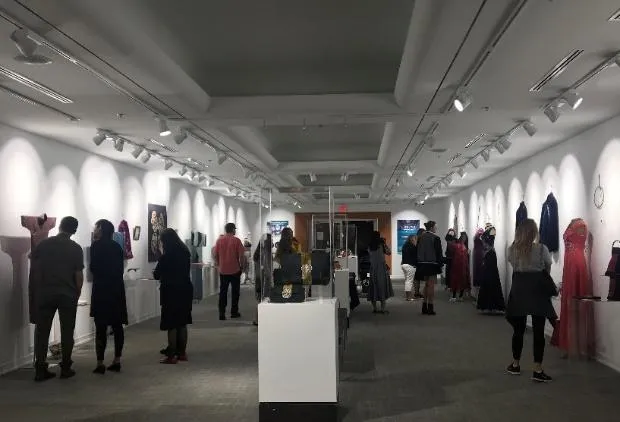
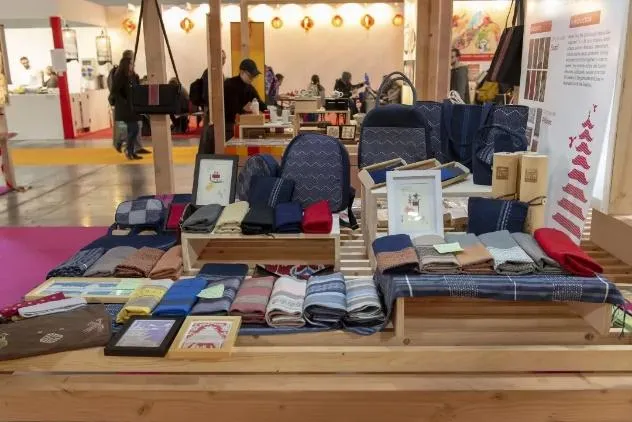
Strategic partnership with Central South University. Received numerous governmental recognitions and state media coverage.
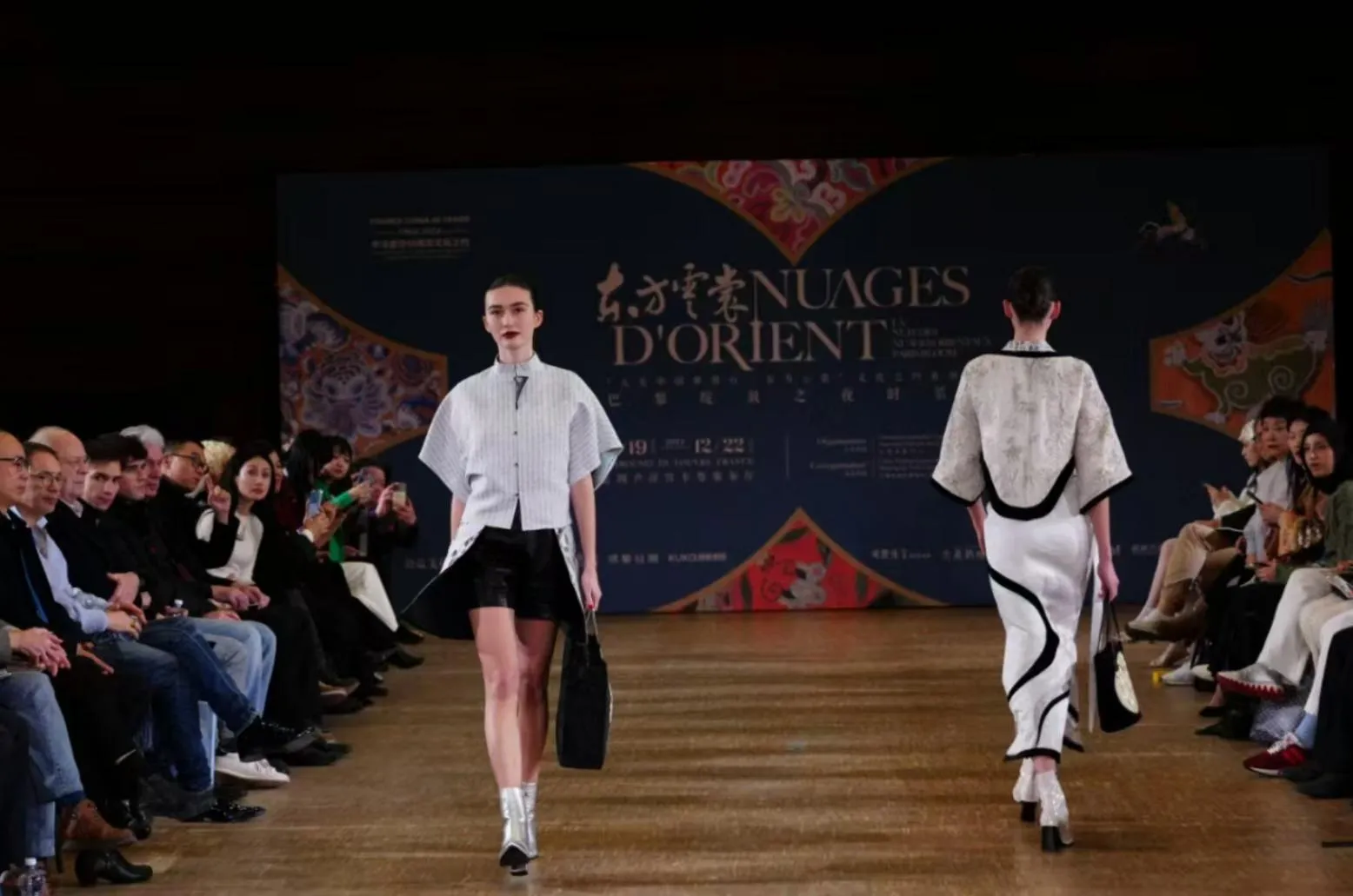
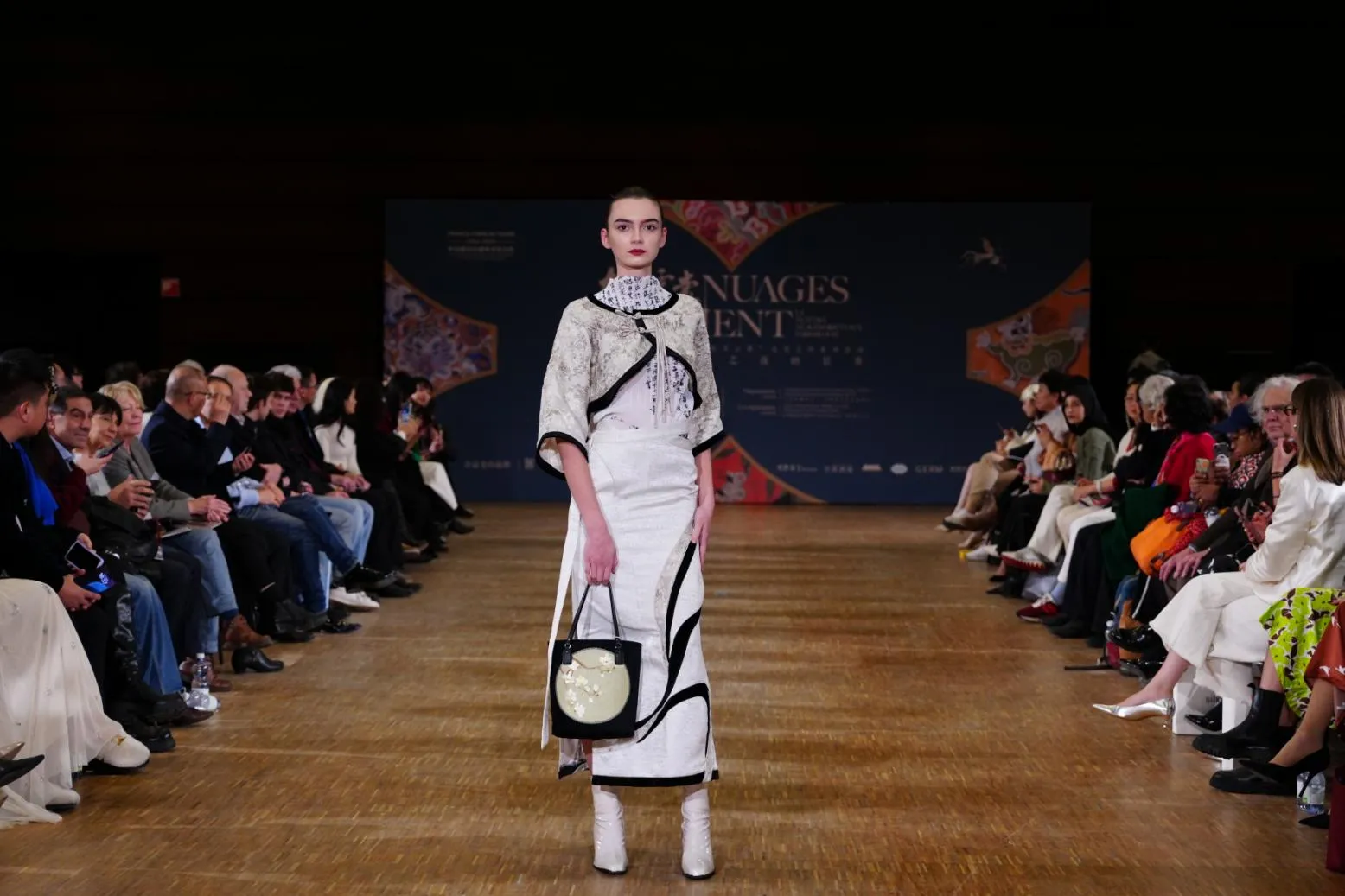
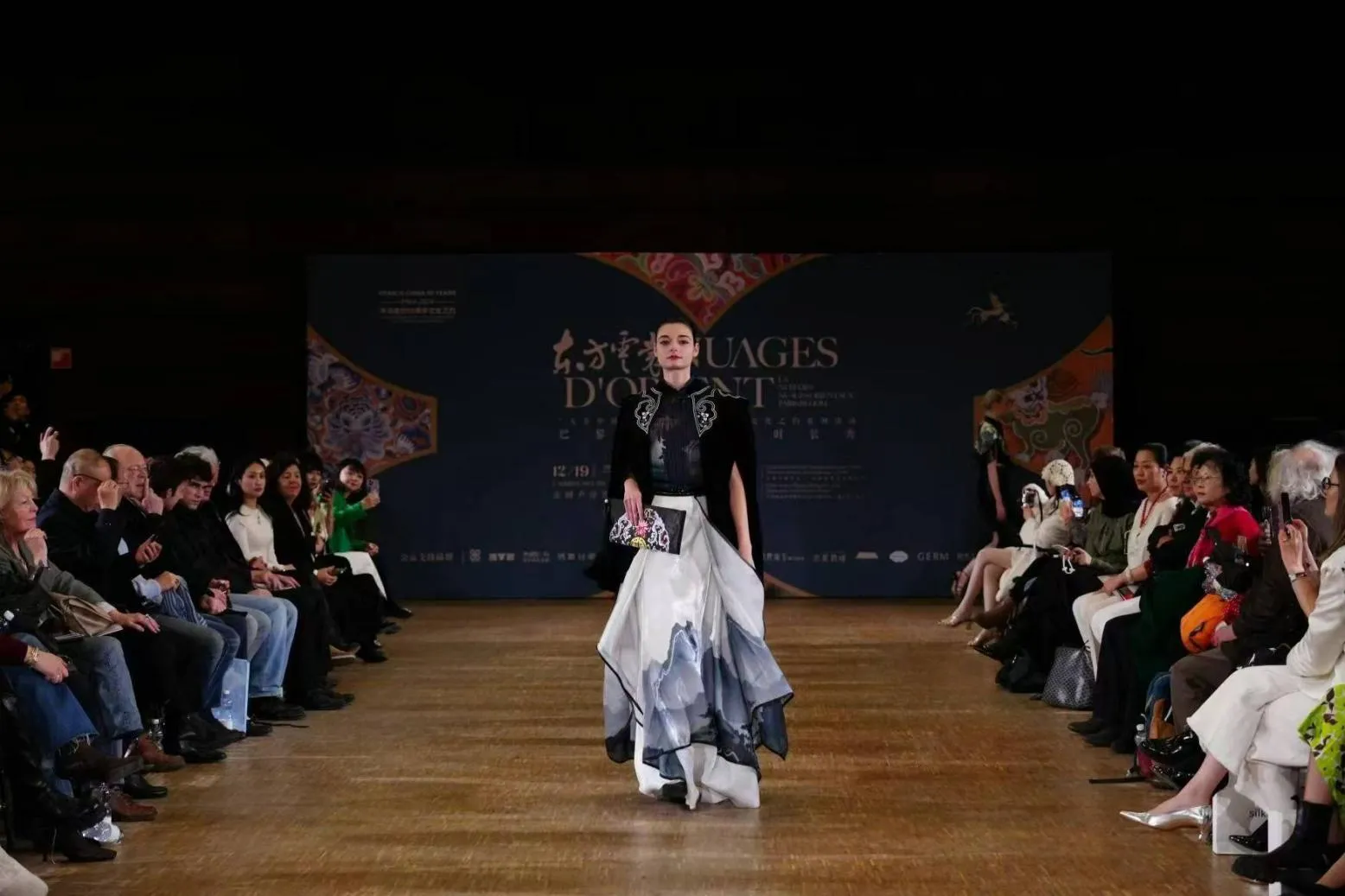
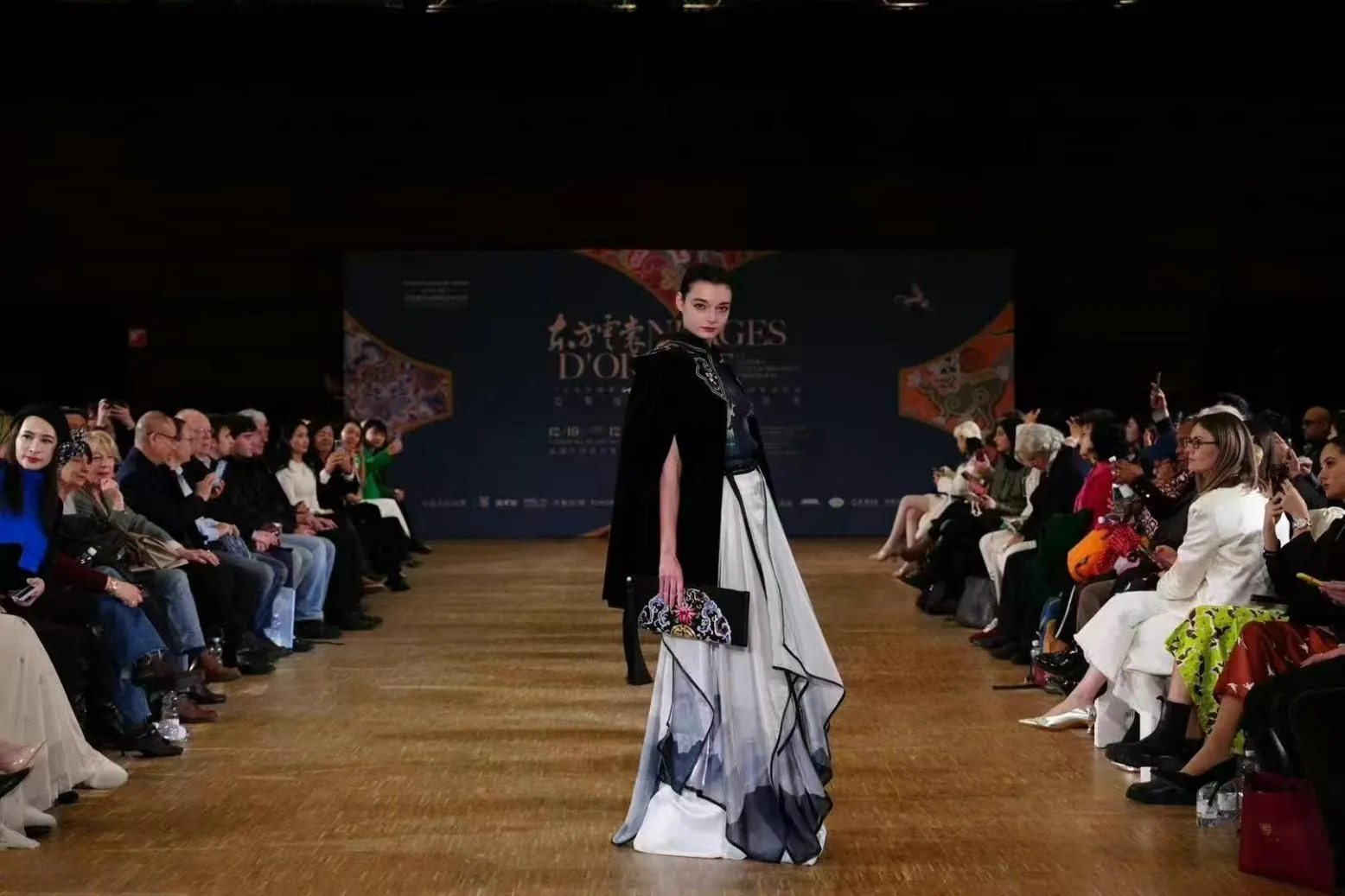
Wovellune successfully hosted a fashion show at the Louvre in Paris, placing traditional Chinese weaving, dyeing, and embroidery at the pinnacle of global fashion.
使用是最好的传承
When you carry a Wovellune bag, you don't just hold a modern design; you carry a slice of a millennial civilization. Bringing it to life in your daily routine is the absolute best way to safeguard it.
Explore Collections